
Paintings — 2026
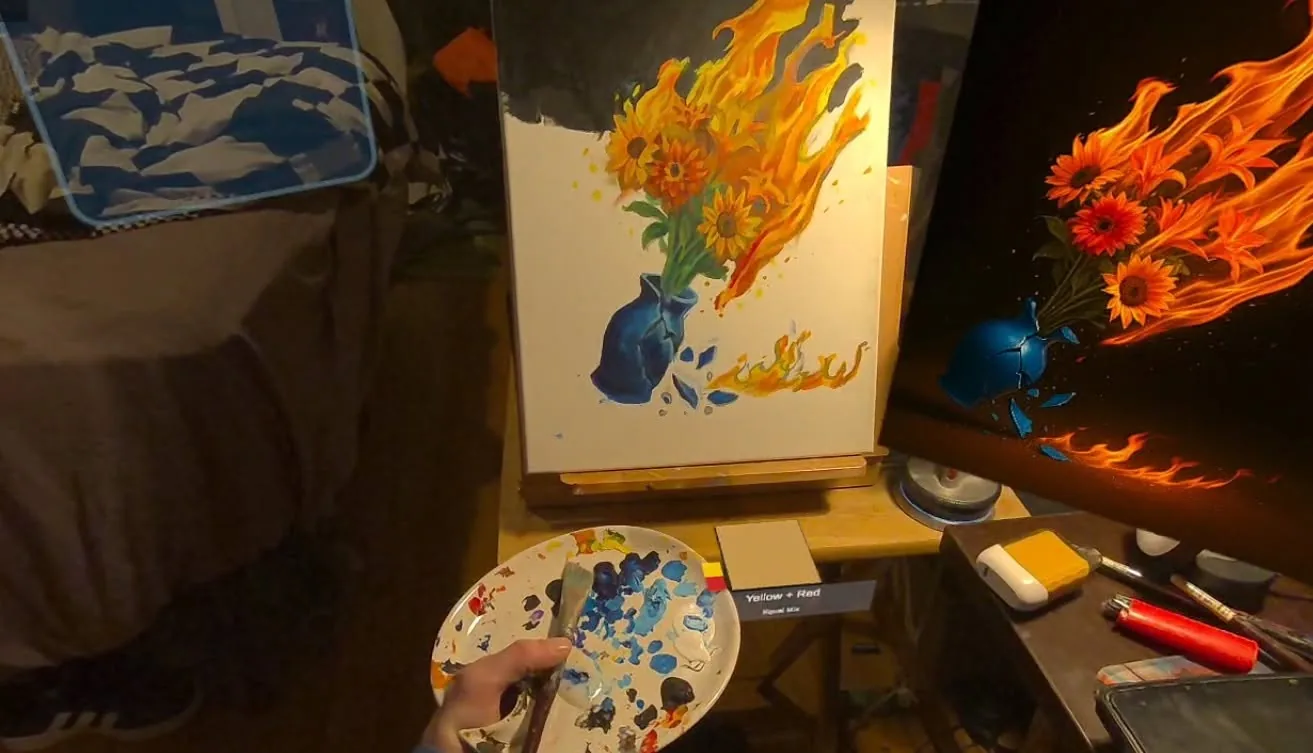
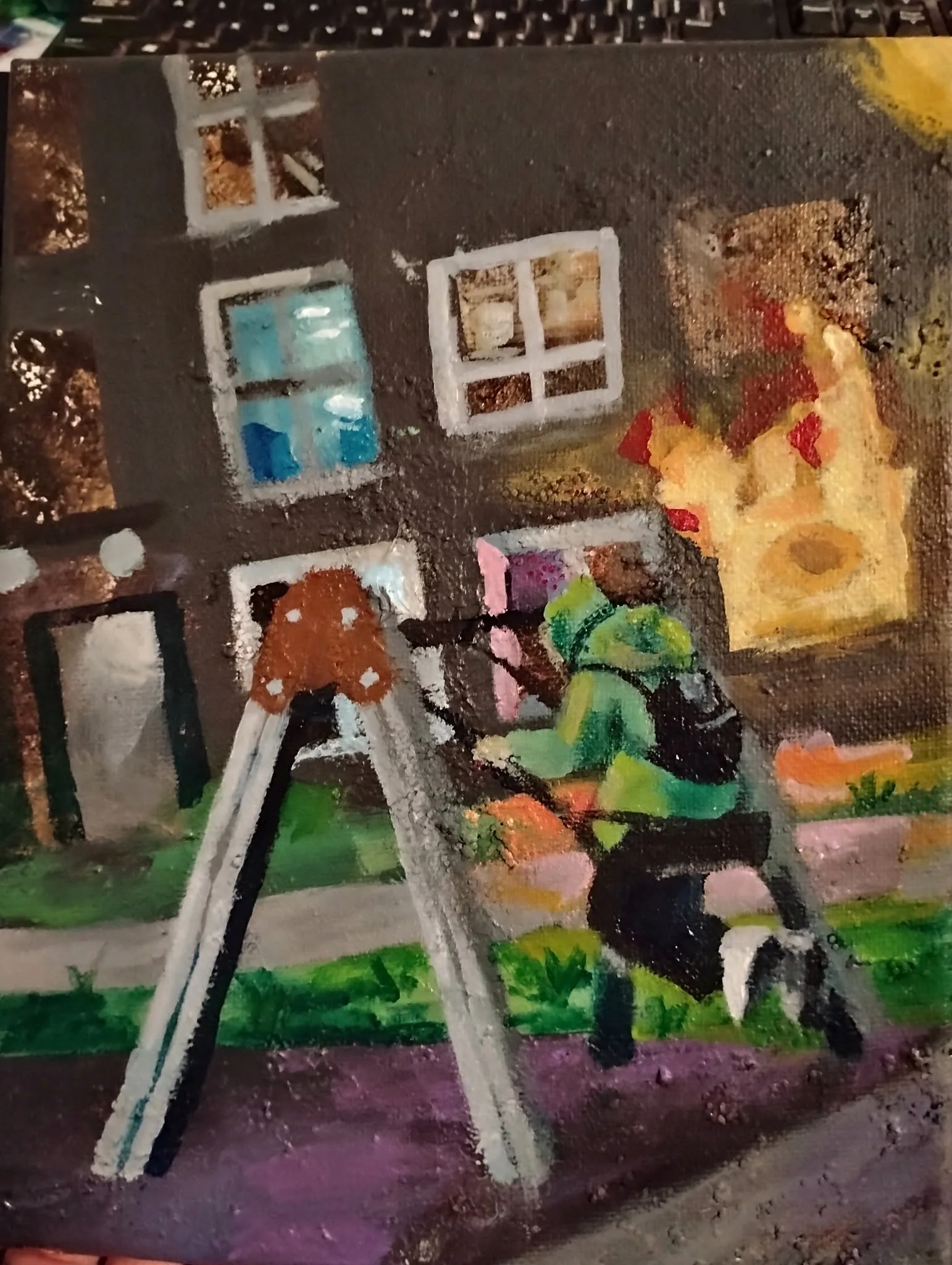
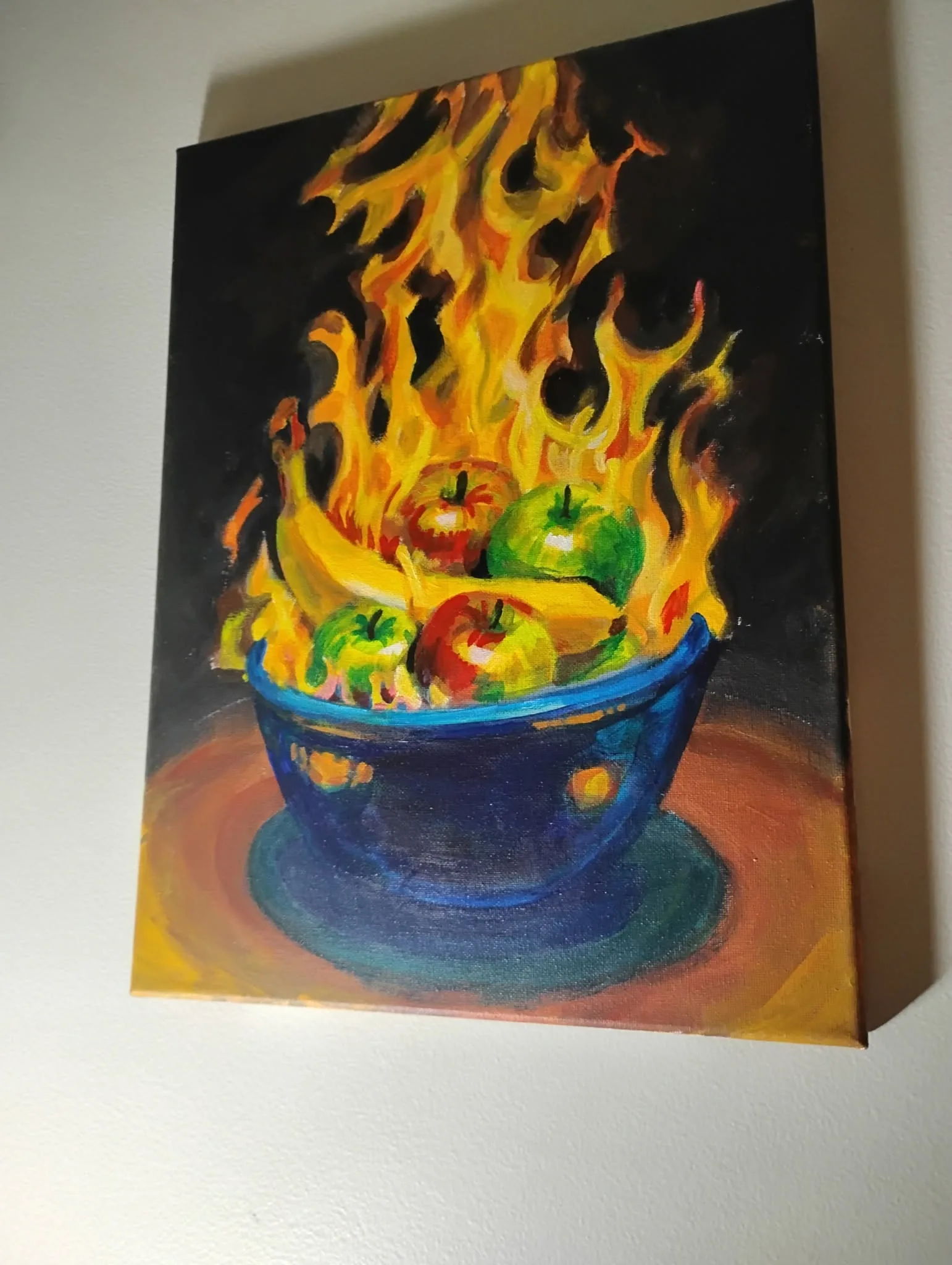
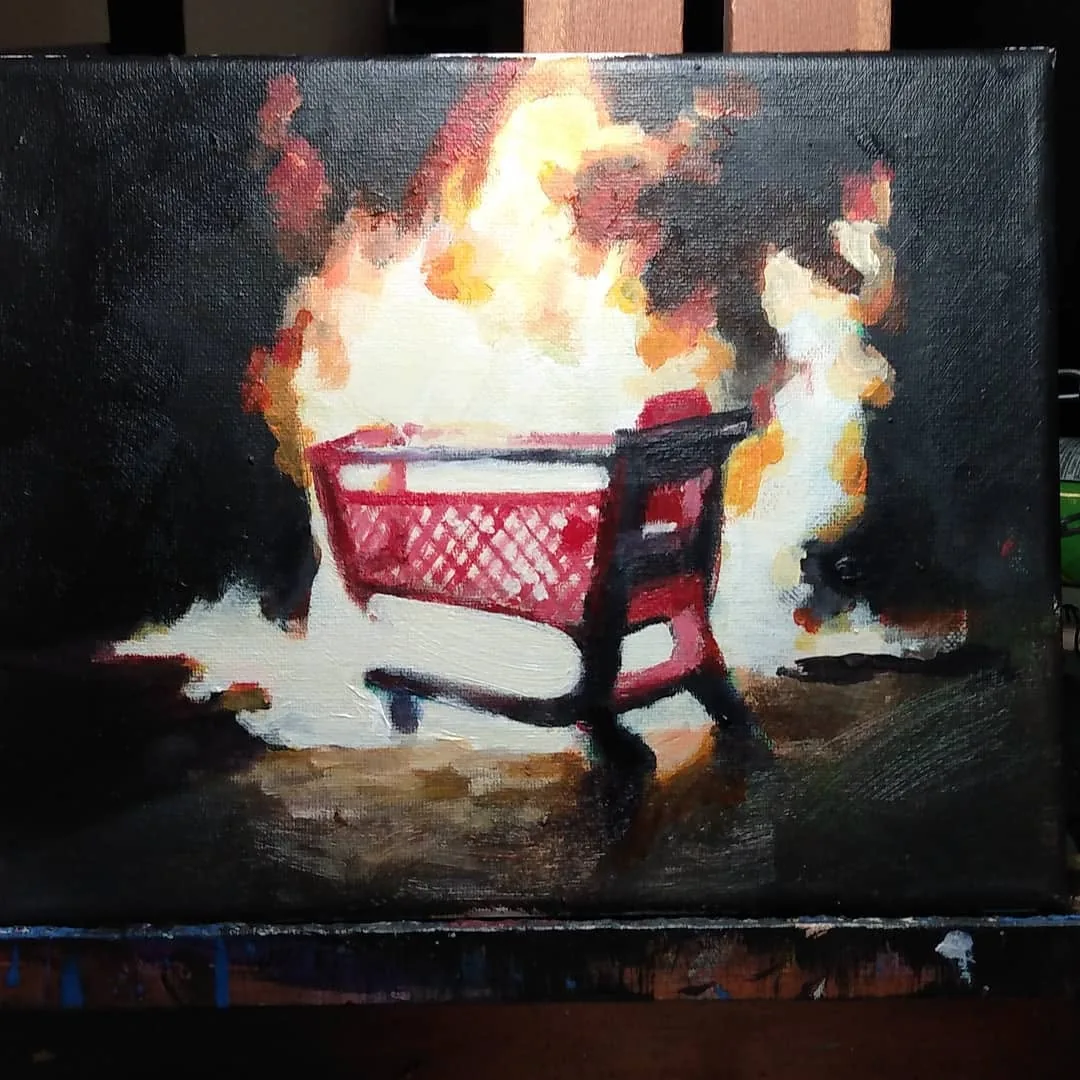
I continued the fire-study thread and finished an atmospheric nighttime scene.
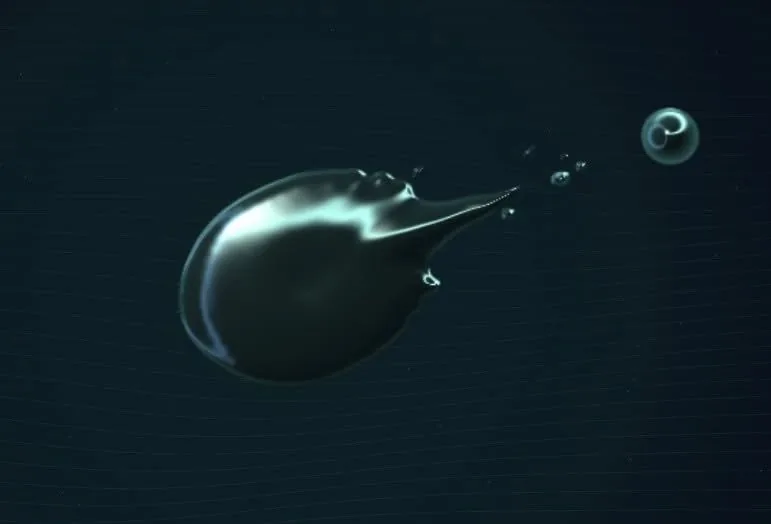
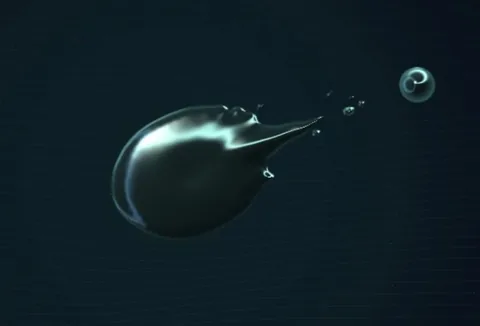
Real-time audiovisual organism shaped by sound, magnetic fields and human movement.
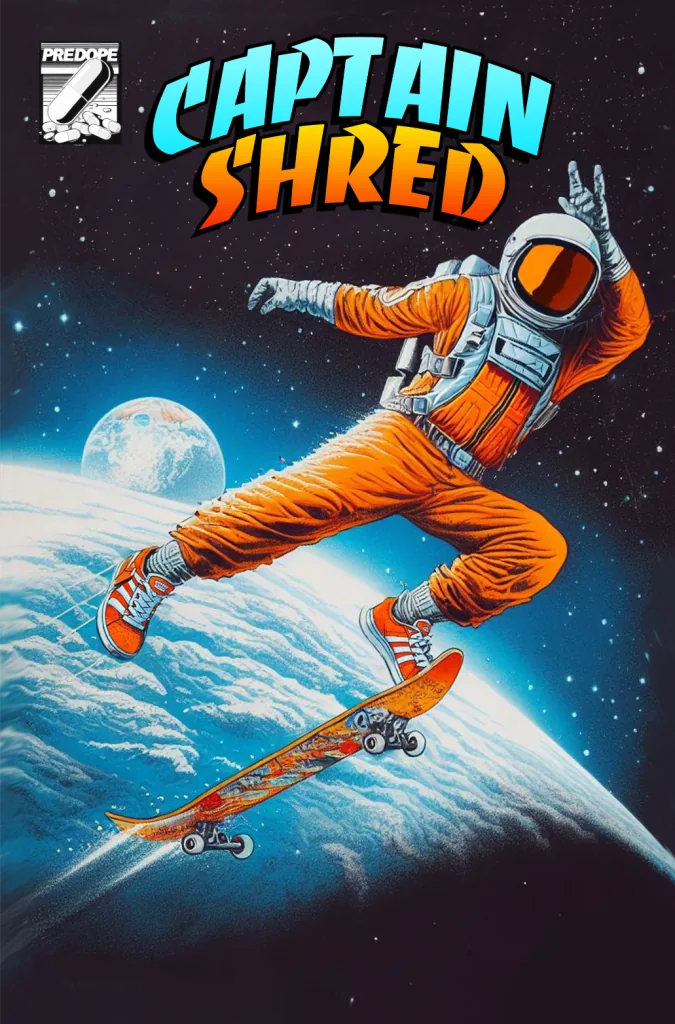
Human-directed AI collaboration, illustration, compositing and comic-world development.
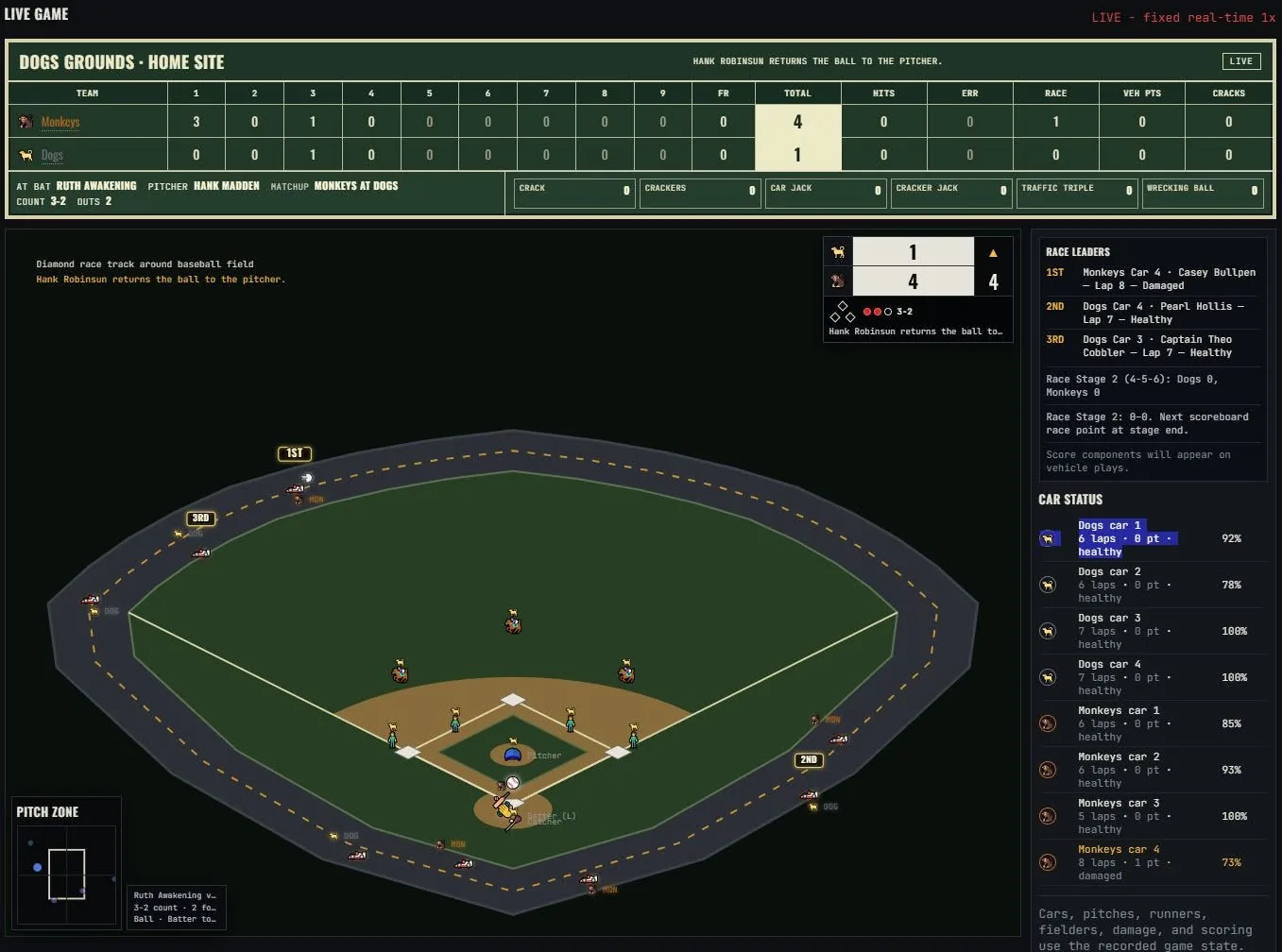
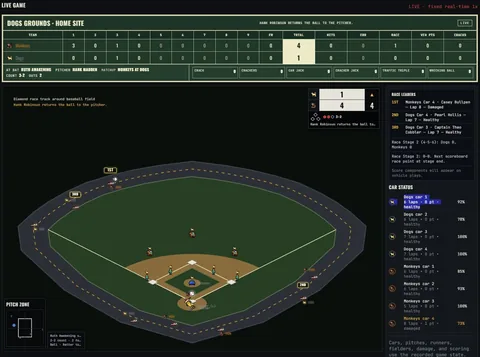
Deterministic browser sports world with procedural identity, replay and persistent history.
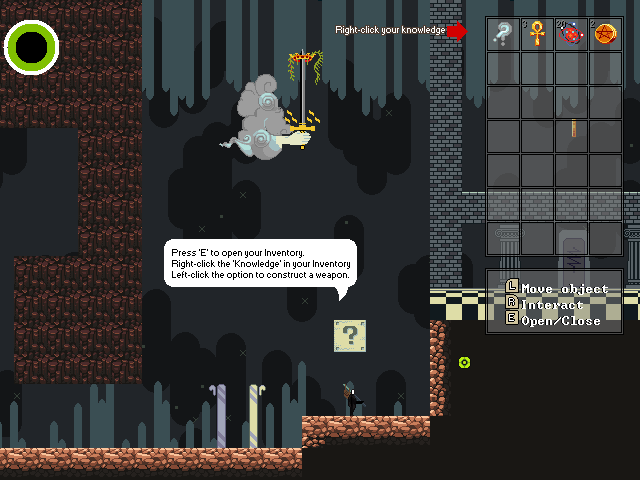
Independent game world joining procedural trees, destructible terrain and visual art.
My interdisciplinary practice moves between interactive simulation, generative AI, audiovisual systems and experimental digital media, built on more than two decades of making across physical and digital forms.
Identity, mural, moving-image, publishing and edition work already documented in the portfolio.
Development records from long-running and active projects: what changed, what was tested, and what the next build needs to solve.
A better engine carries forward the existing code, graphics, procedural trees and destructible-world logic built across more than ten years.
Read the project history →Working builds, recorded tests and acceptance checks turn sound, magnetic influence and performer movement into a believable audiovisual organism.
Read the build approach →My work across murals, painting, identity, wearable objects, animation and independent game development.
The Walled Garden is a platformer RPG set in a surrealistic Garden of Eden with procedurally generated trees which grow from a destructible environment which subdivides as it is destroyed.
Three preserved demos are available from their original IndieDB listings.
Browse my full Walled Garden playlist.
Snapshot captured October 1, 2026. Ask me to refresh this section whenever I post new articles.
 Dynamic Psuedo Water Waves
Implementing dynamic water effects in Game Maker Studio 1.4 — water object setup, displacement, reflections, and fine-tuning.
 Sprite Upgrades + Gameplay + NPCs
New sprite graphics, a self-sustaining ecosystem, an NPC dialogue system, and wind animation effects.
 More Updates - Utility/Combat and VFX
Melee combat, a zoom feature, Coyote Jump platforming, and a stamina system for strategic resource management.
 Lots of Updates
A save and load system preserving tree states across sessions, with tree aging and a day-night cycle on the way.
 10+ years!?
Starting fresh in Game Maker Studio with a better engine — everything until now was just a warm-up.
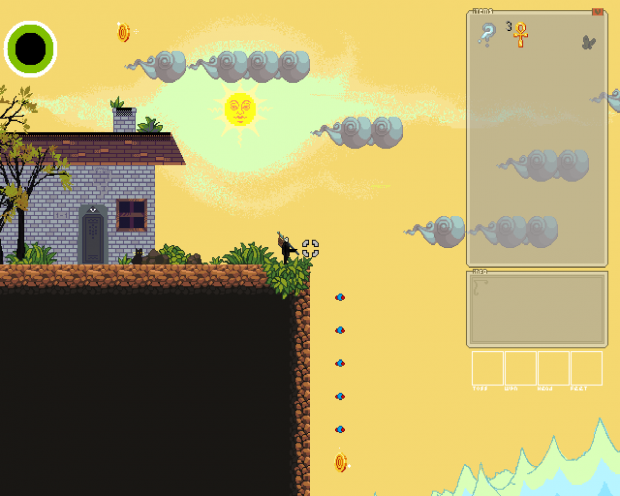 Level 1 - Oh the fool I was
11 years in: occult research, Tarot, the Kabbalah Tree of Life — and the first level of The Walled Garden.
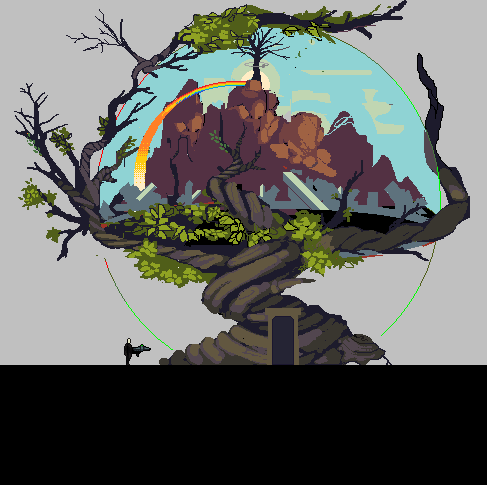 2020 Demo Released
Releasing the current existence of Walled Garden — 8 years of development since the 2012 demo.
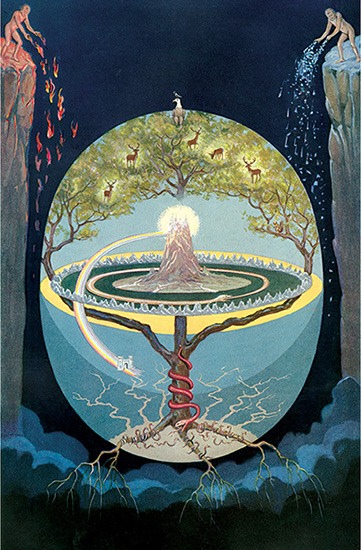 Dusting off the old GMK
Brushing the dust off after 130+ days — more creatures, more movement variety.
 Enemy Mounts and Interactions
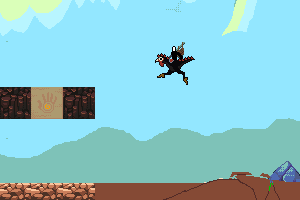
Ridable mounts in Eden: Horse, Rooster, Swordfish — with a Gryphon in the works.
 July 2014 Update
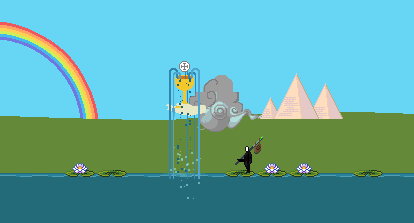
Pushing for a demo: four elemental realms, 3–4 levels complete for each.
I continued the fire-study thread and finished an atmospheric nighttime scene.
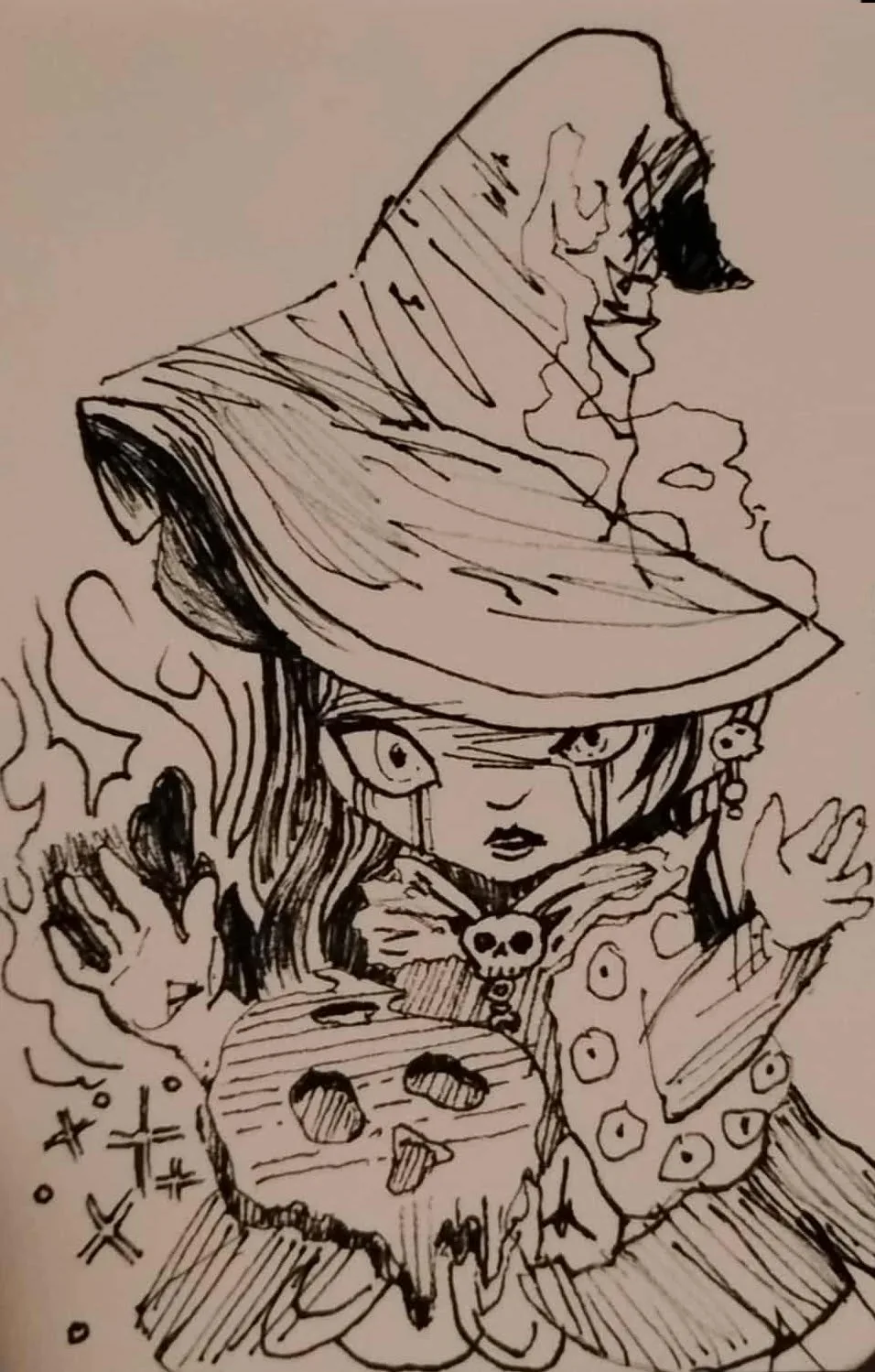
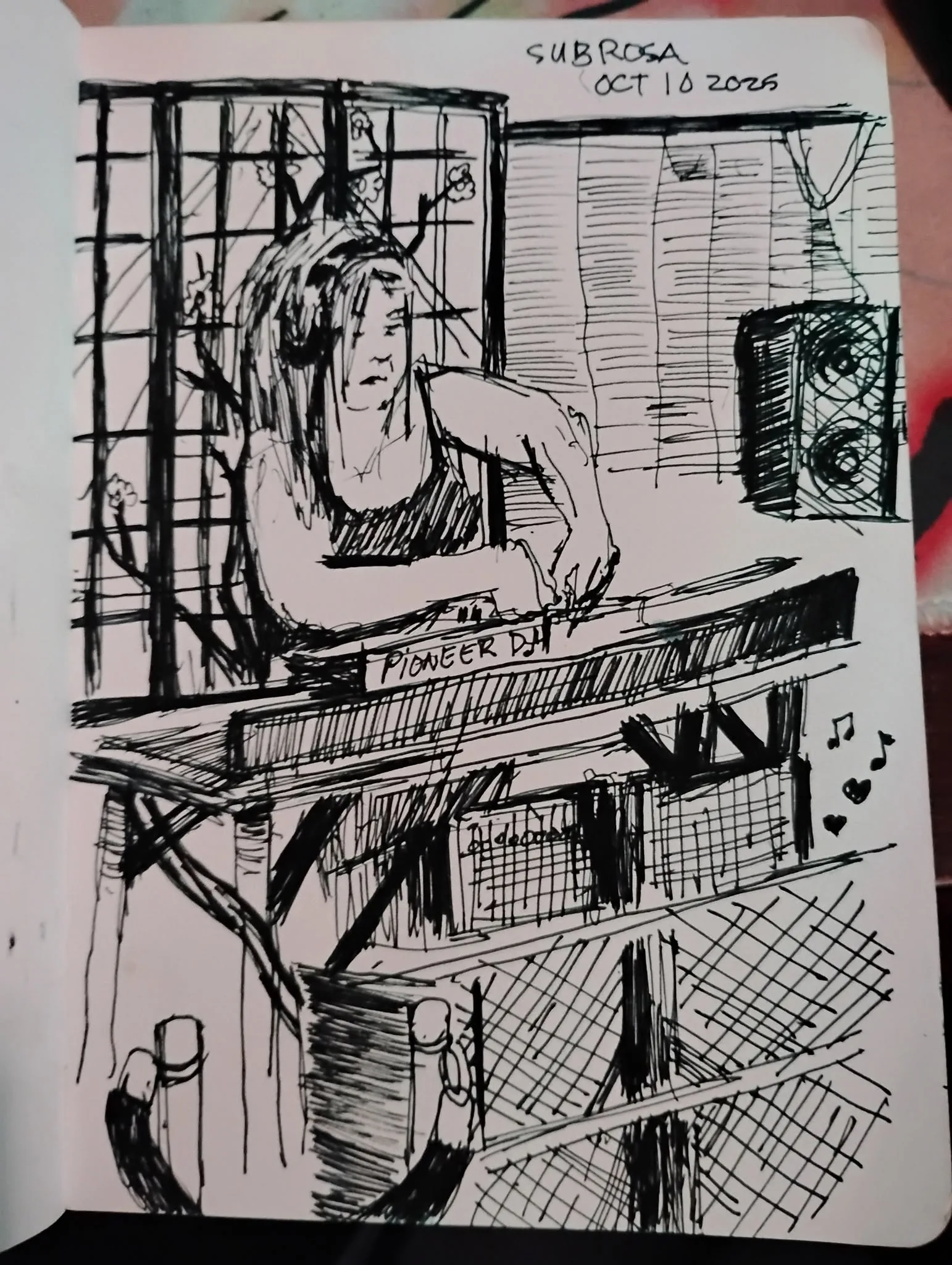
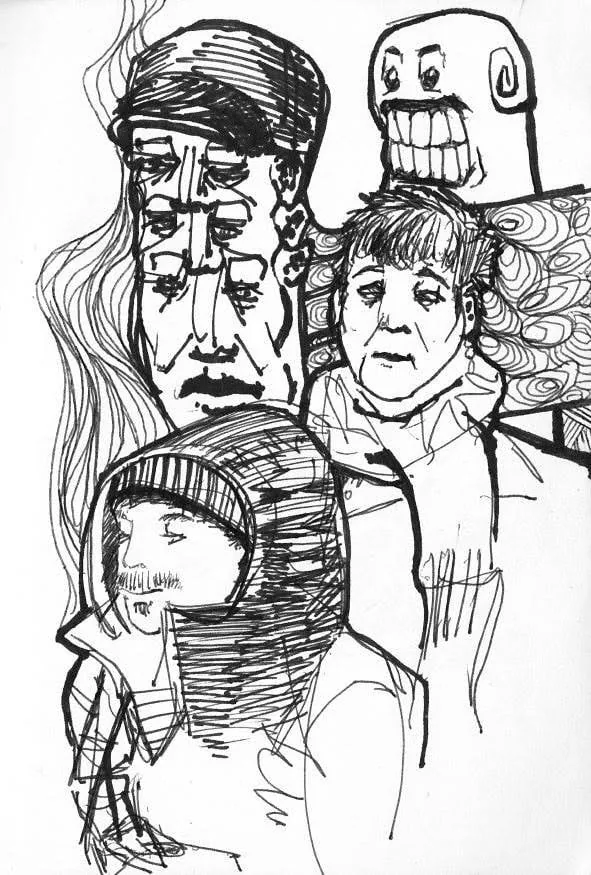
A first collection of my ink illustrations, combining character work, portraits and observational drawing.
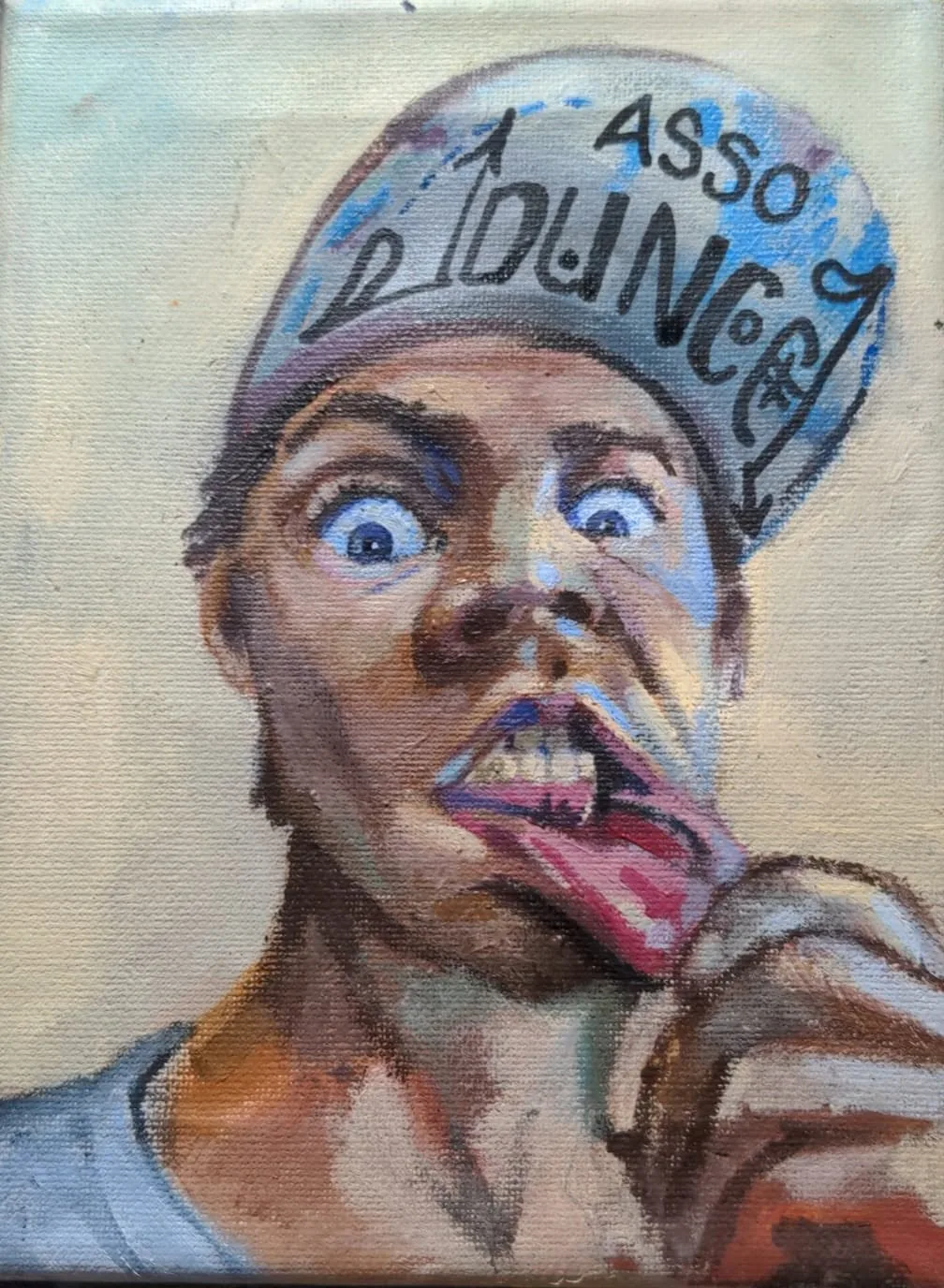
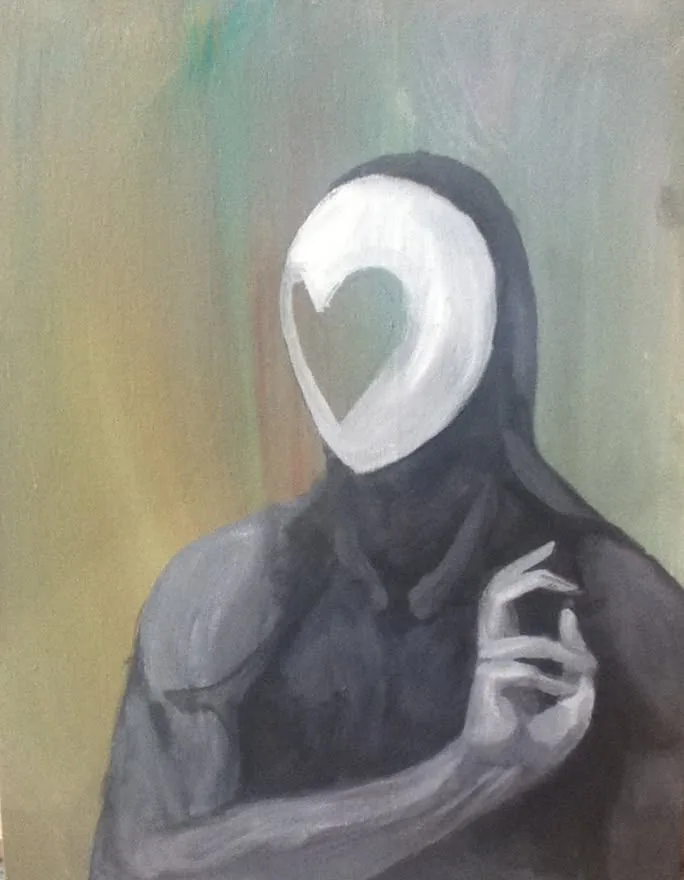
An ongoing painting series bringing together self-portraits from across my practice.
I brought the fire-study series into urban scenes, public symbols and figures in motion.
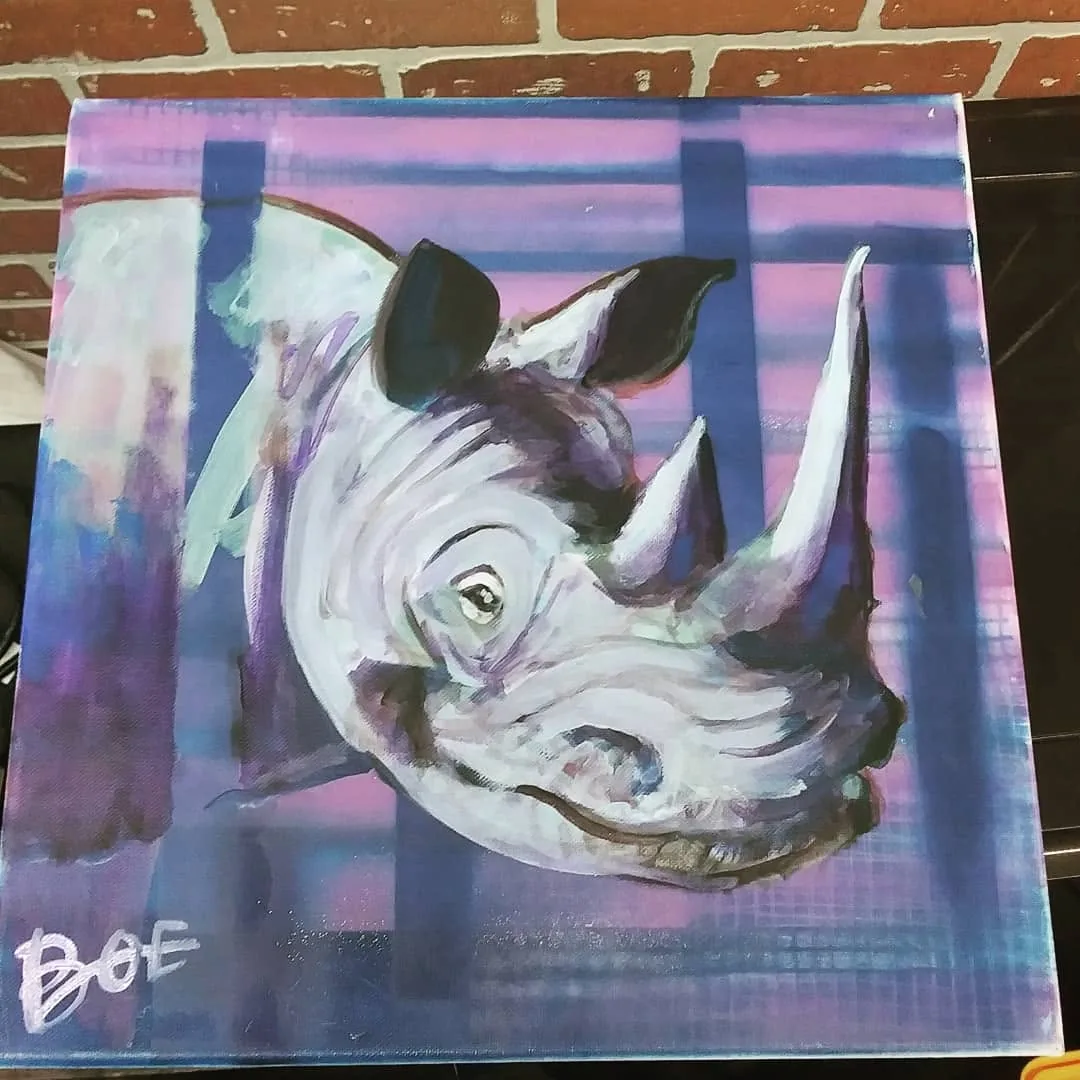
I use these studies to work through portraiture, animals, movement and lettering. “2017 was a primetime for my painting—I was definitely in my zone then.”
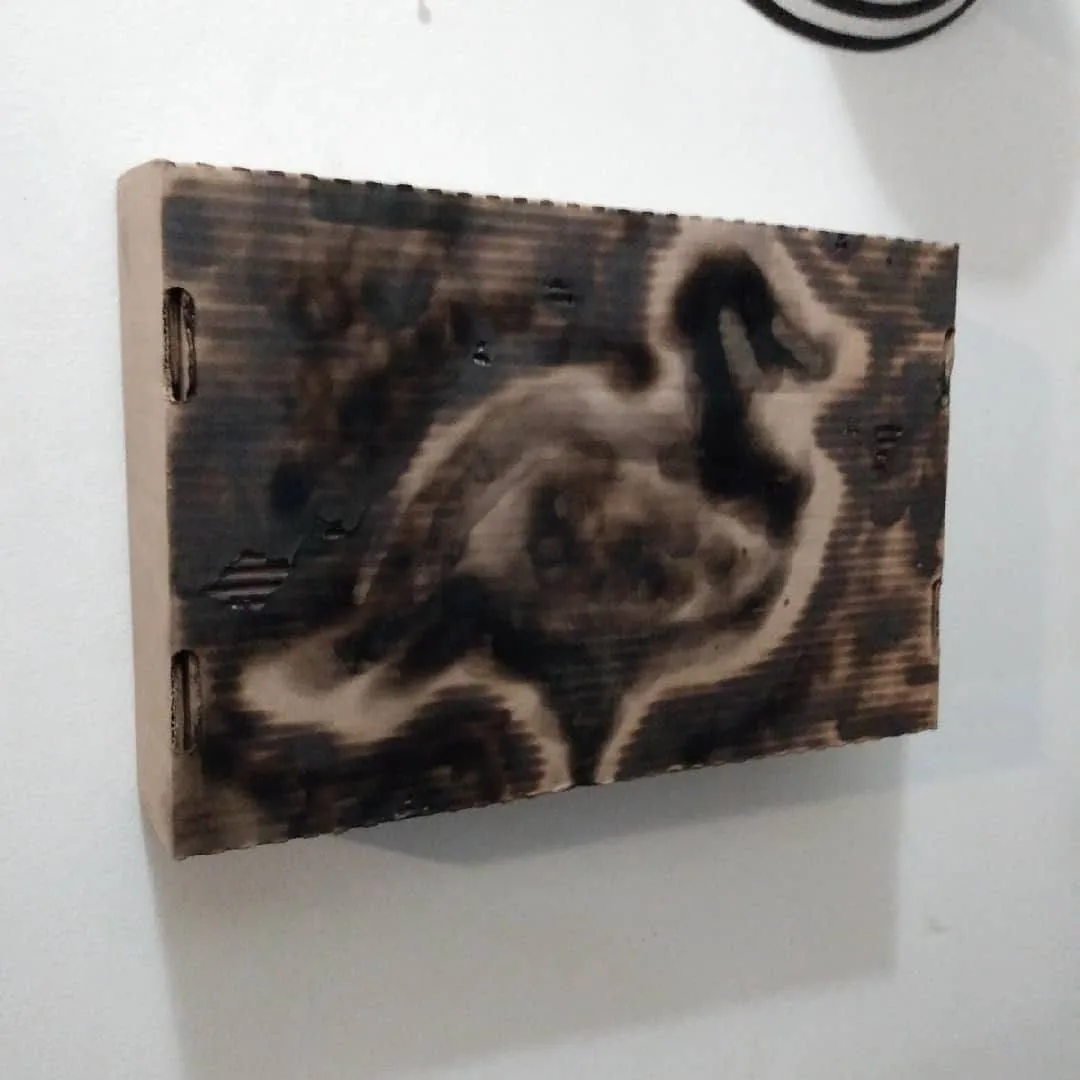
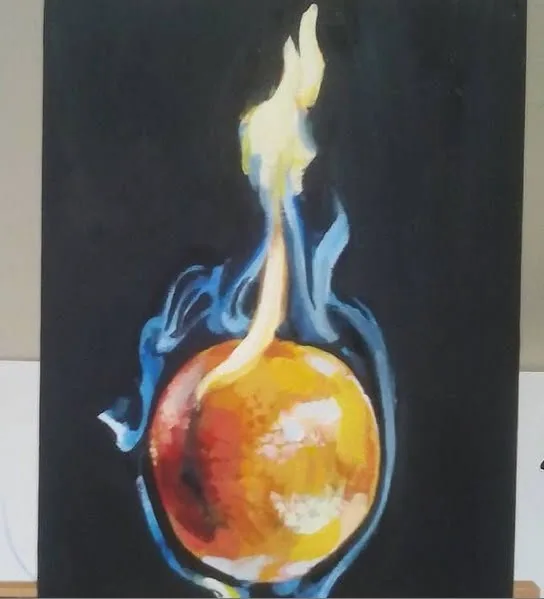
My early studies of flame, light and motion.
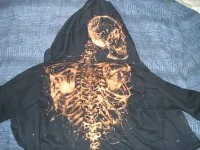
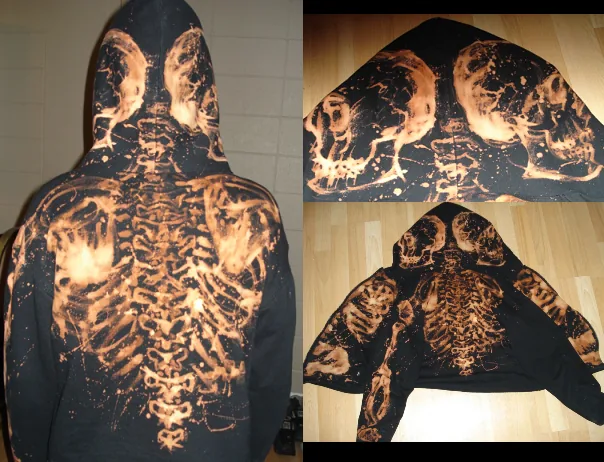
I make each garment as a one-of-a-kind personal piece. Bleach Bones leads the collection.
Ink work · 2014–2026
Digital illustration · 2018
Acrylic series and studies · newest first
One-of-a-kind wearable work
Mixed media · personal work
One-of-a-kind personal pieces, available on commission.

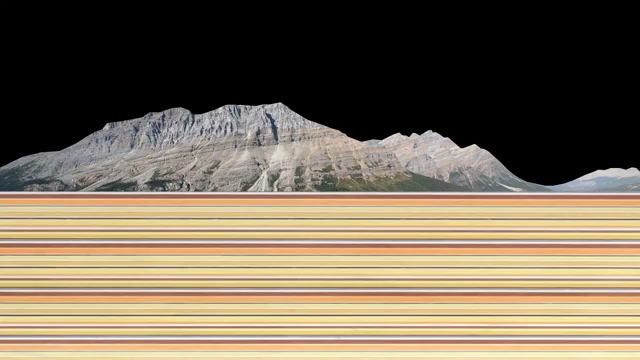 Lyric video · Directed + produced · Paid client workNo Surprise — Mariel Buckley →
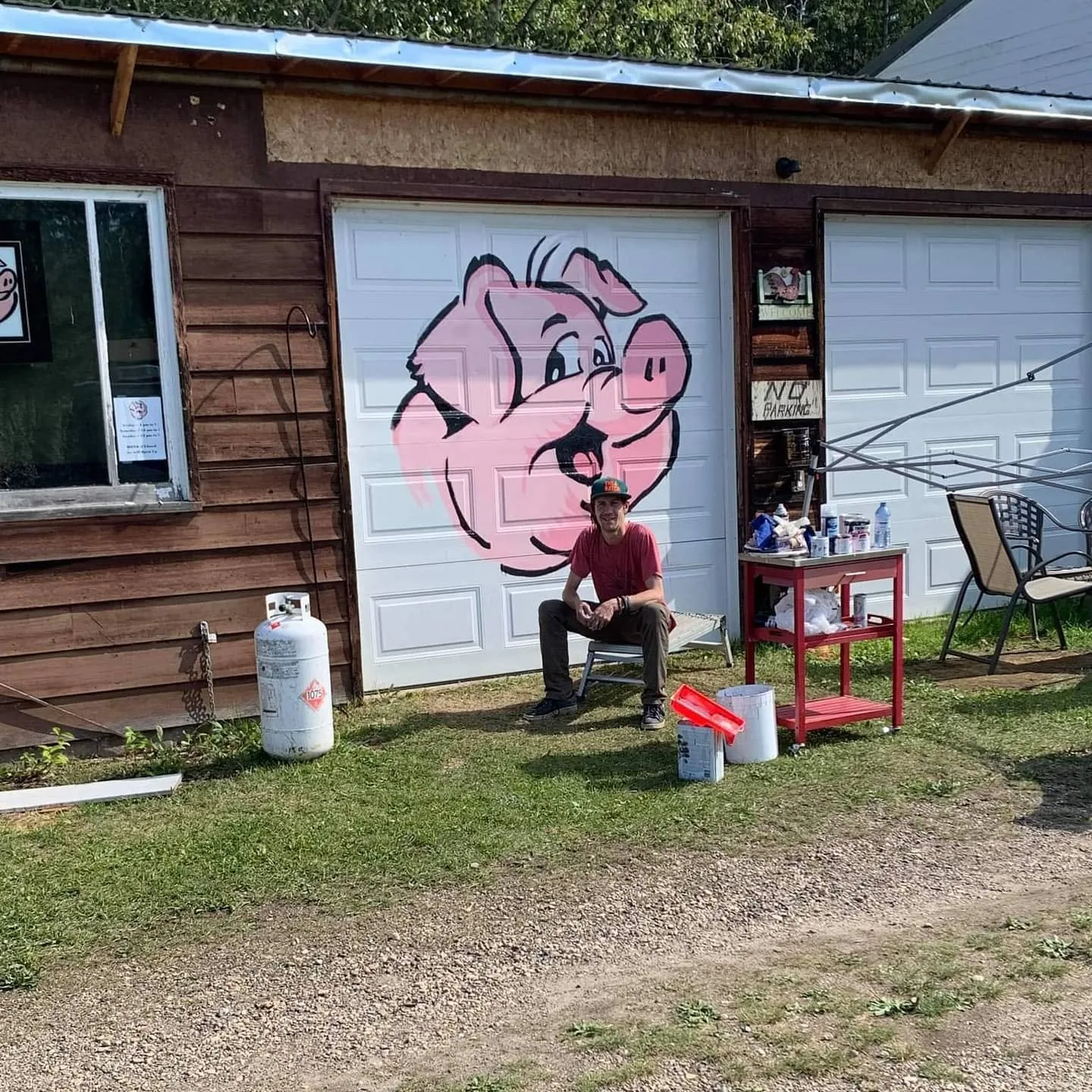
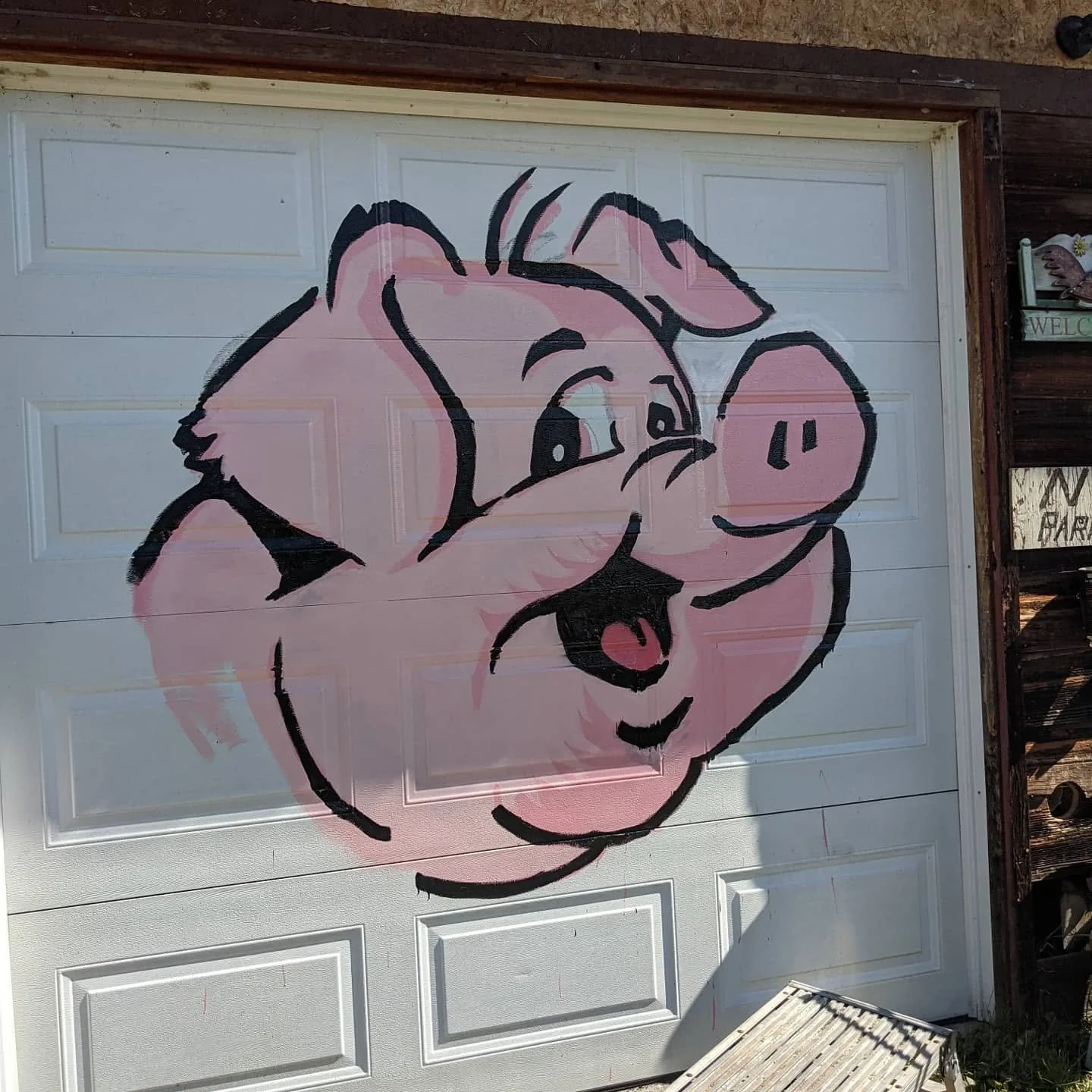
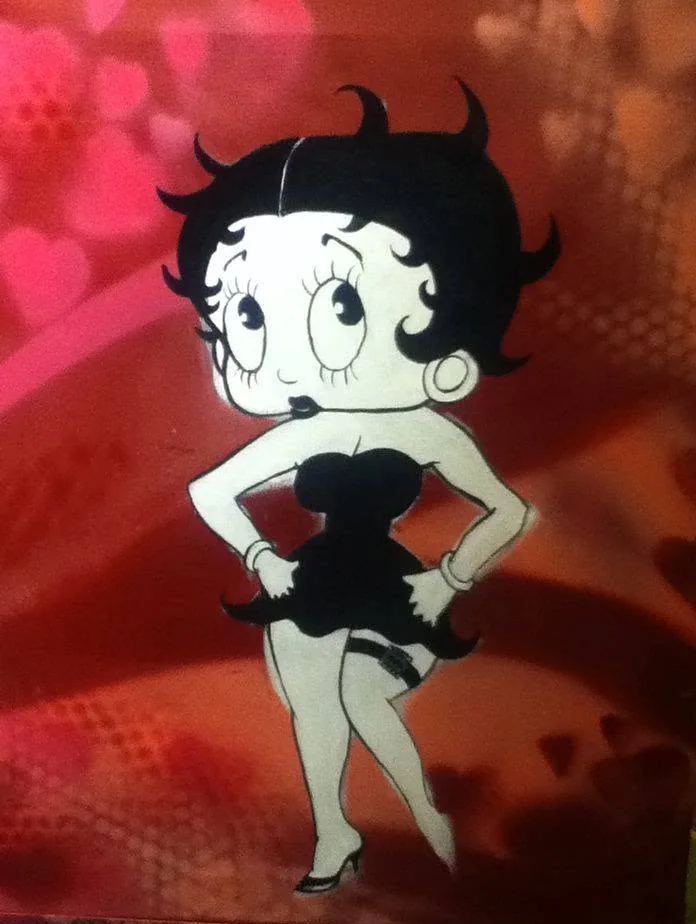
I painted this cartoon pig across the Hog Saloon’s garage door.
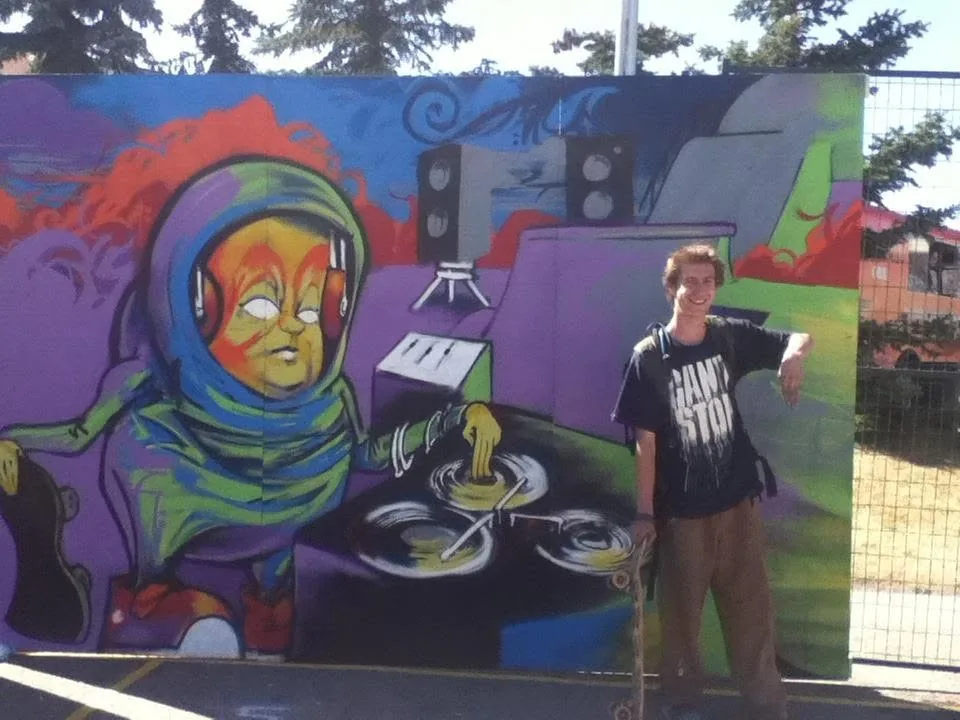
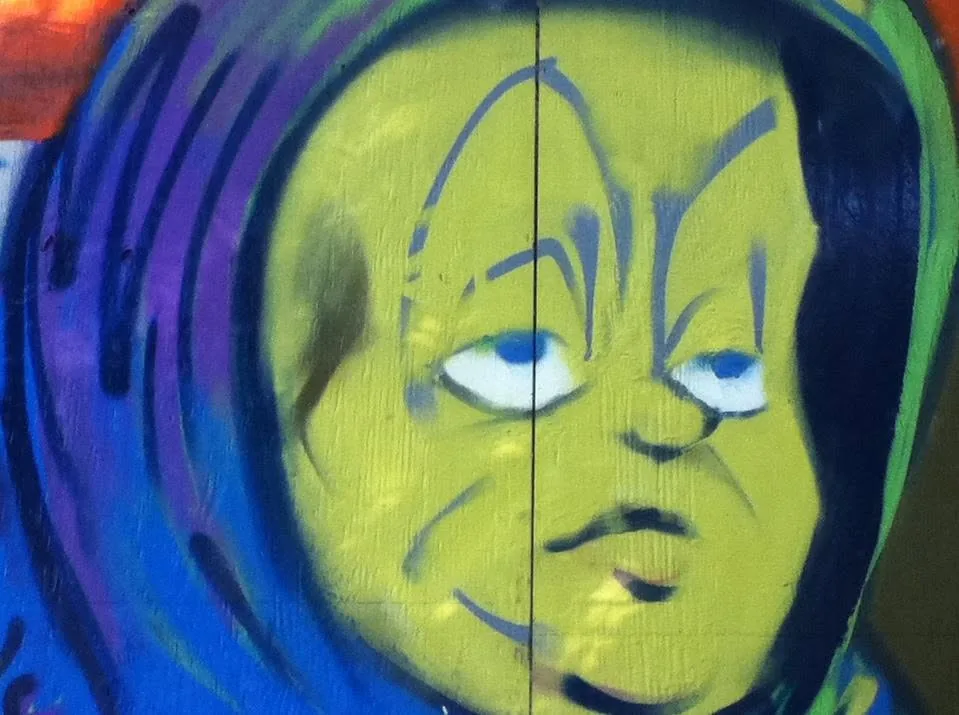
I created this large wood-panel mural for the FUSE Young Culture Festival at Shaw Millennium Park.
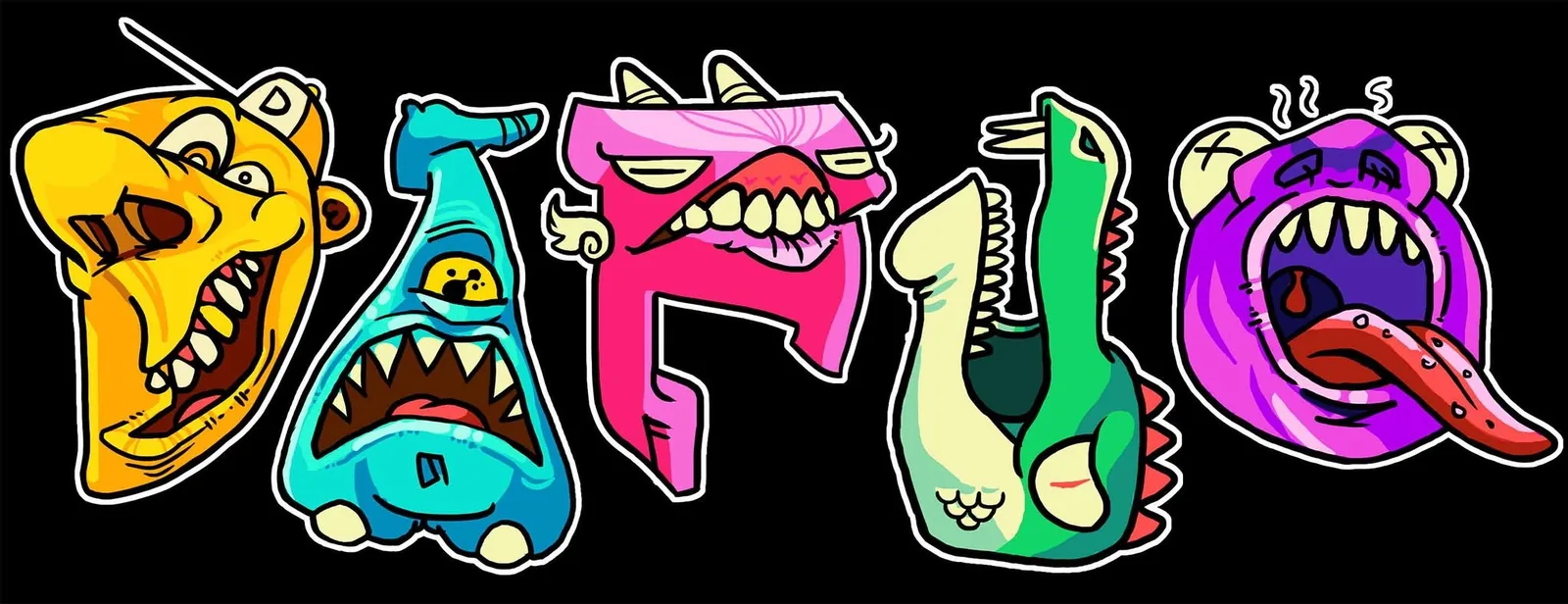
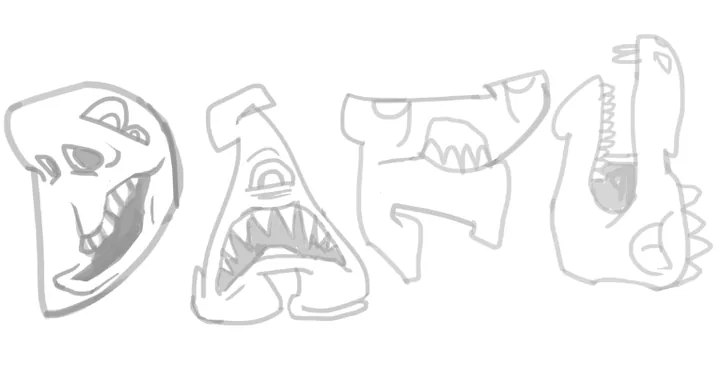
I developed the monster-letter logo and shirt artwork for a friend’s company. The shirt dropped in May 2021 and is no longer available.
Logo design for a mobile skate sharpening company.
I designed this logo for the Calgary fusion-funk band. They use it on their individually released tracks.
I directed and produced this animated collage lyric video for a professional musician.
Public outcome · About 2K views · Paid client work
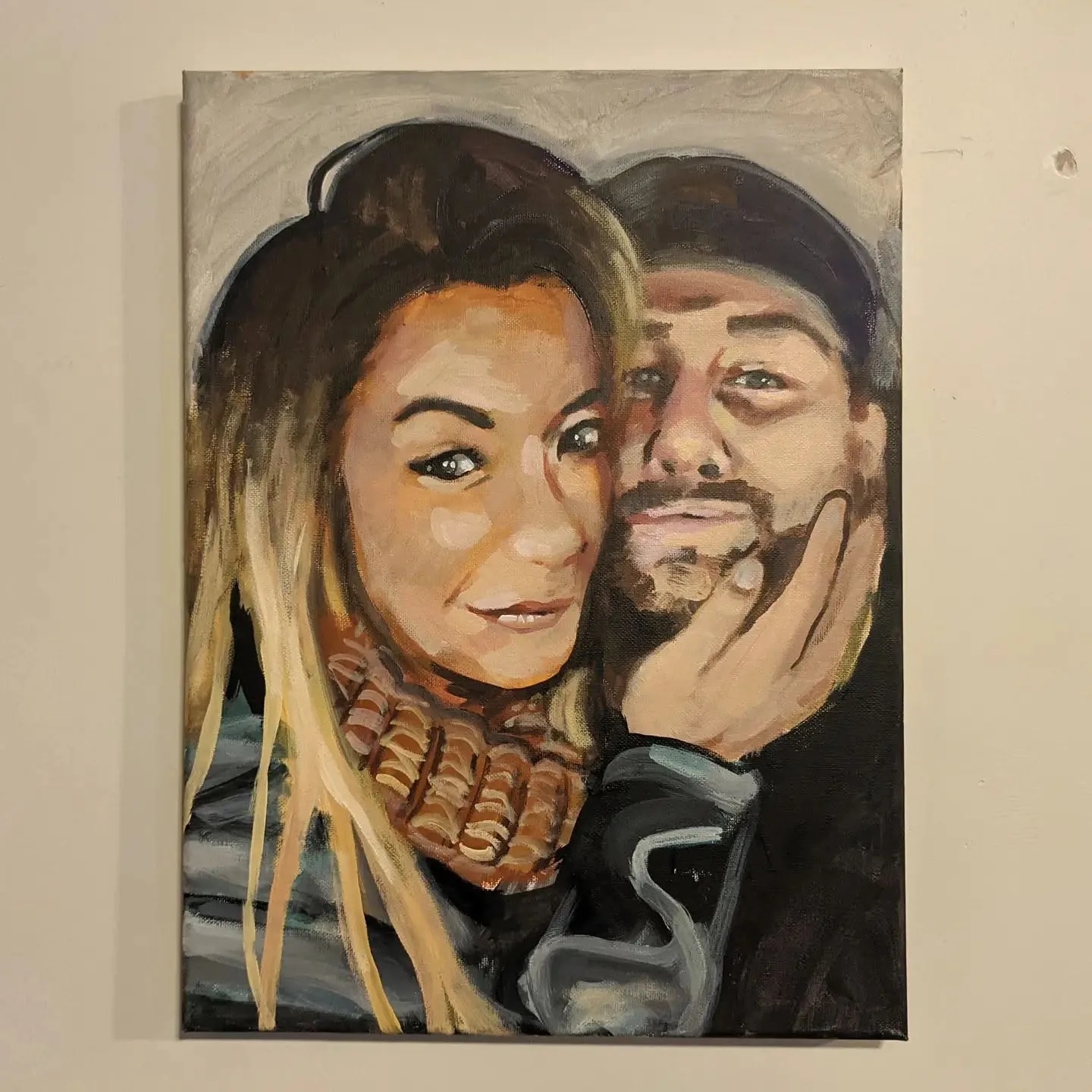
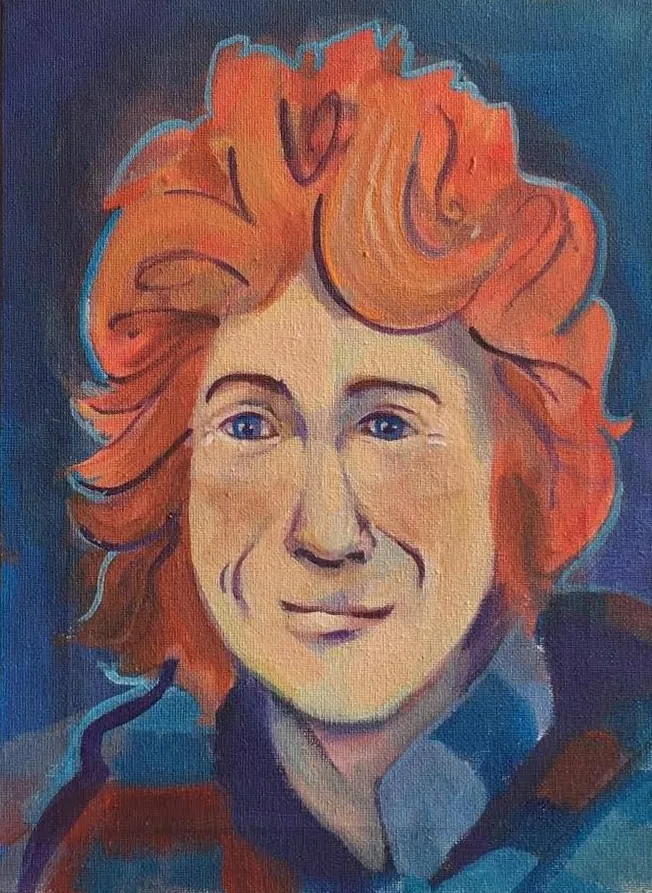
Commissioned portraits
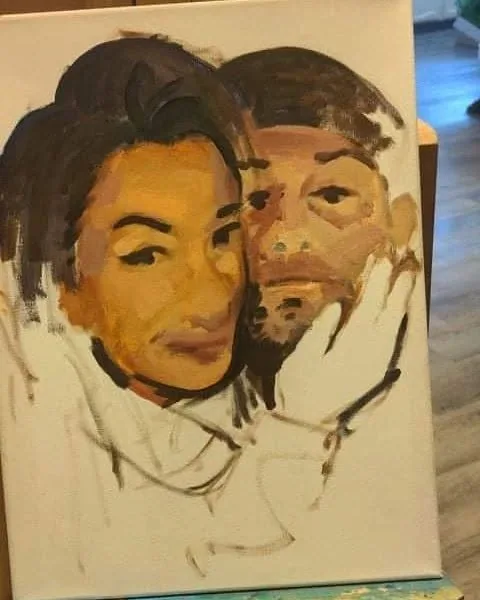
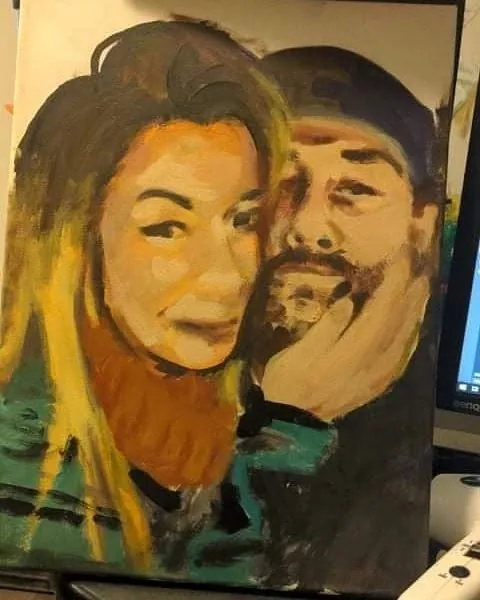
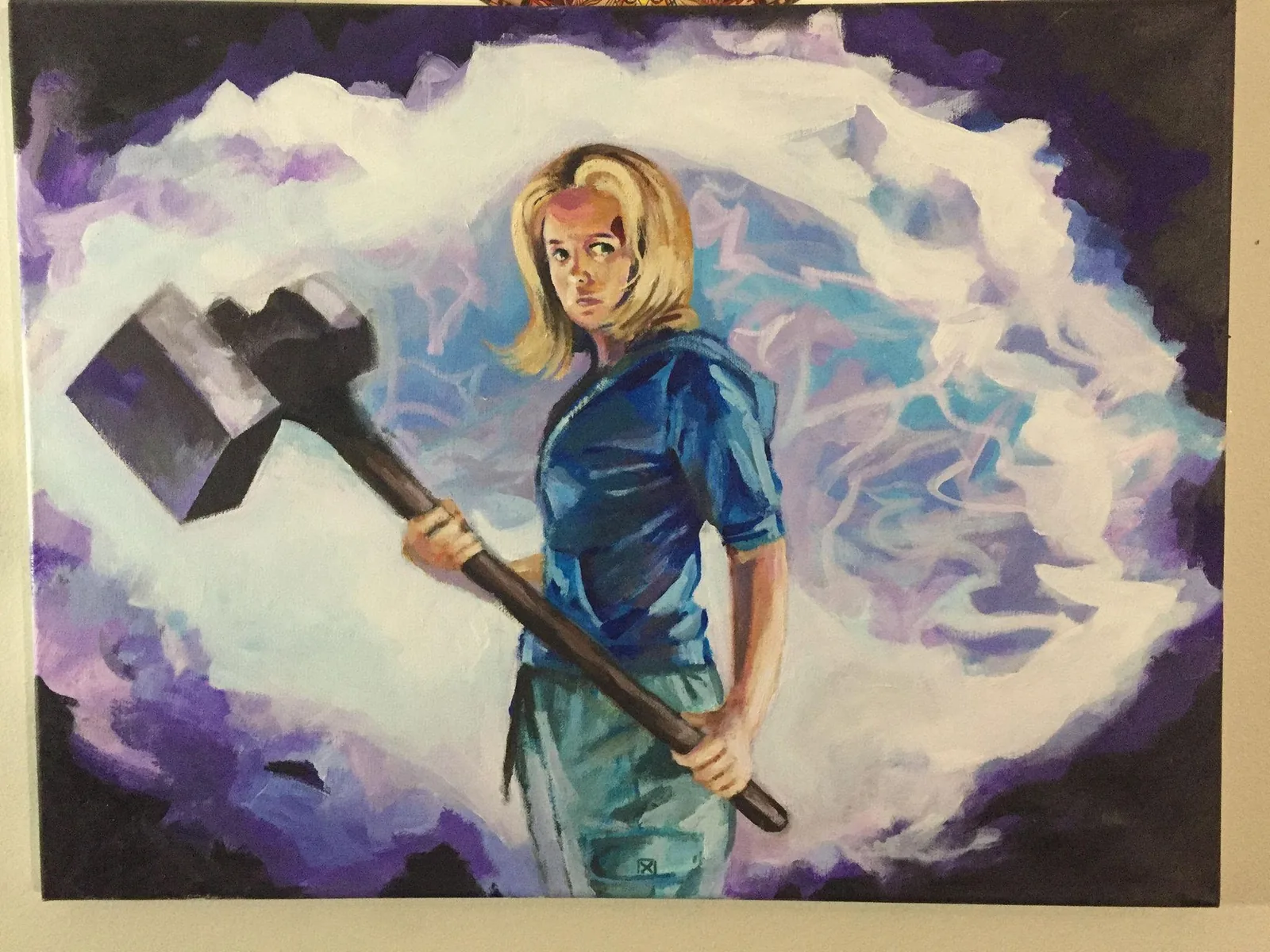
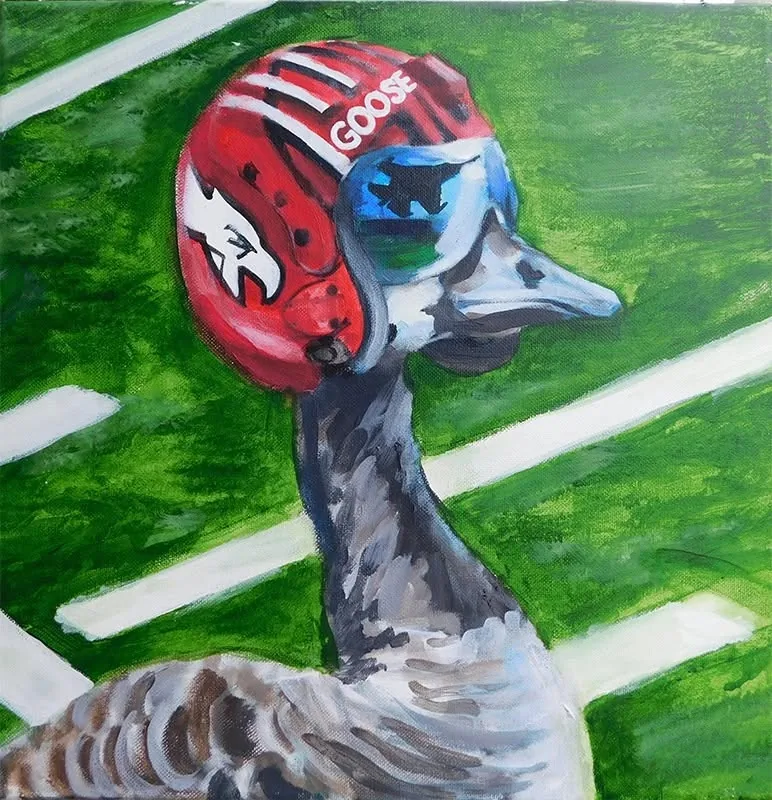
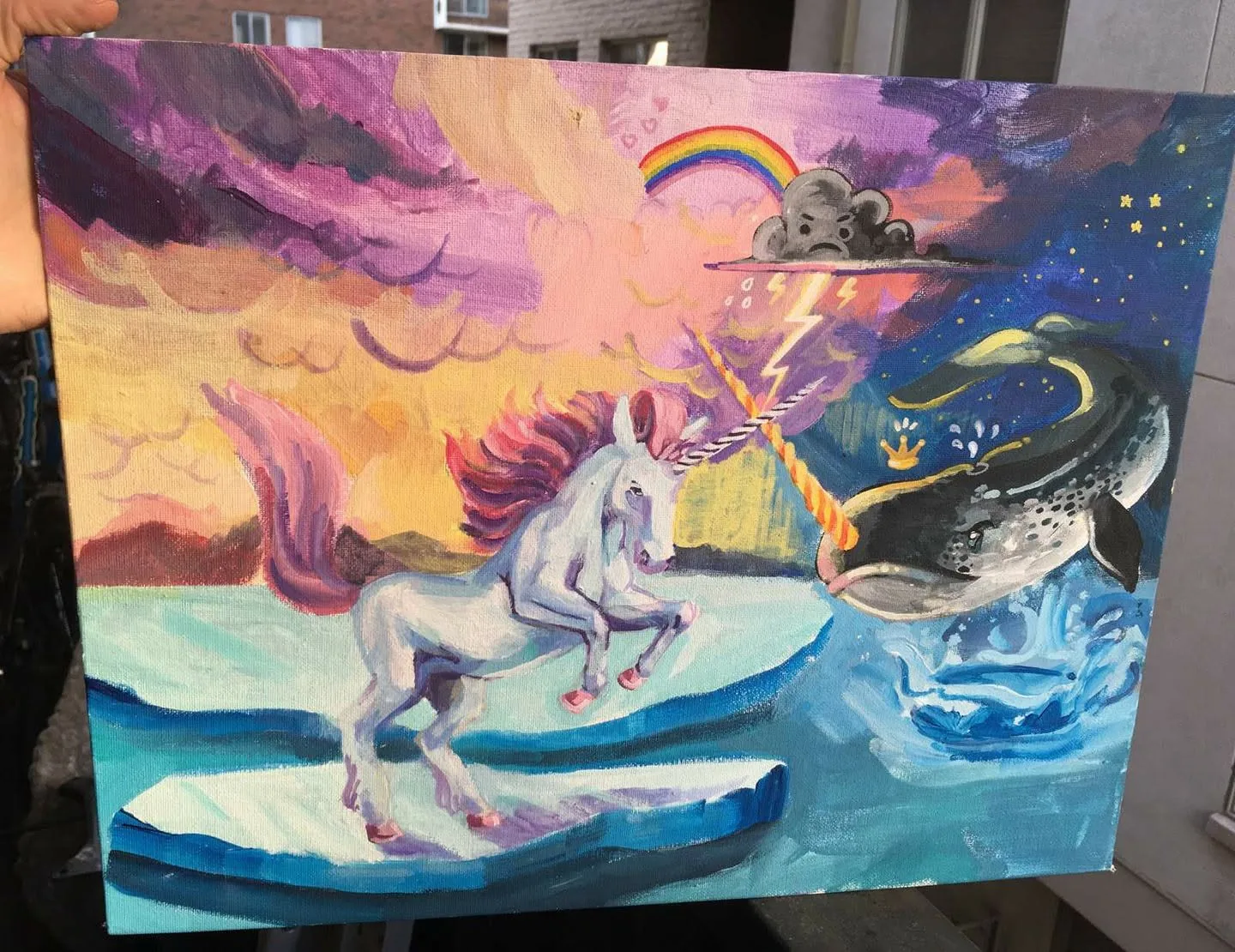
Commissioned paintings
Commissioned mural work
Identity and logo design
Commissioned acrylic portrait · 2021
Commissioned acrylic painting · 2021
Commissioned acrylic painting · 2020
Commissioned acrylic portrait · 2017
Commissioned acrylic painting · 2017
Commissioned painting · 2016
Commissioned stage installation · July 2012
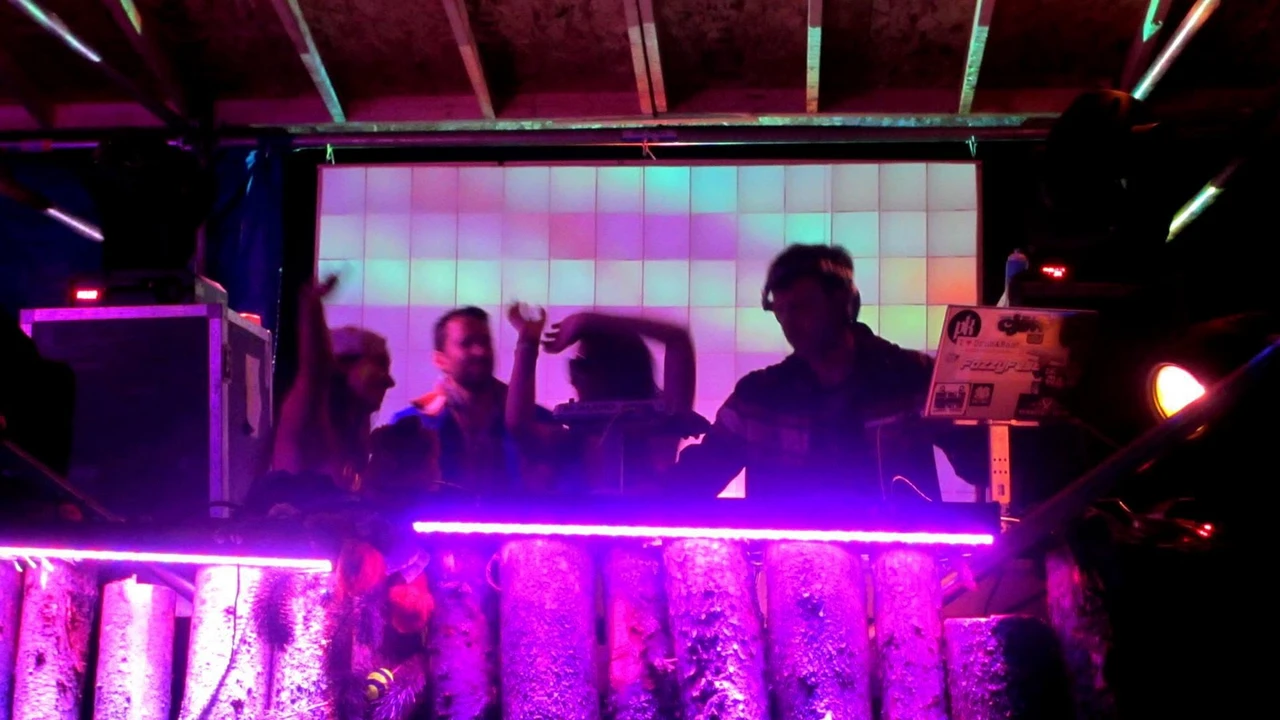
I built a Pixelator backdrop for FozzyFest after first making a smaller version as an ACAD Media Arts & Digital Technologies school project. The full-scale stage installation diffused projected light through small square boxes, turning the screen into a grid of luminous colour.
This project was based entirely on Jason Eppink’s Pixelator ↗. The concept and original build are Jason Eppink’s; my work was the ACAD study build and the later FozzyFest stage adaptation.
No footage survives of the FozzyFest installation in action. This video documents the smaller first build made for the ACAD MADT project.
Garage-door mural · Gainford, Alberta · 2021
Wood-panel mural · Shaw Millennium Park · 2010
Identity + apparel · 2021
Logo design for a mobile skate sharpening company.
Identity for a Calgary fusion-funk band.
My independent games, animation, moving image, music and digital systems.
One of my favourite PreDope Productions pieces: a deliberately funny Power Rangers mashup cut to “Regulators” by Warren G.
Public outcome · About 16K views
A paid music-video project demonstrating professional direction, production and delivery.
Work made with Quickdraw Animation Society.
Quickdraw Animation Society · 2012
Quickdraw Animation Society · 2011
My first 3D game project.
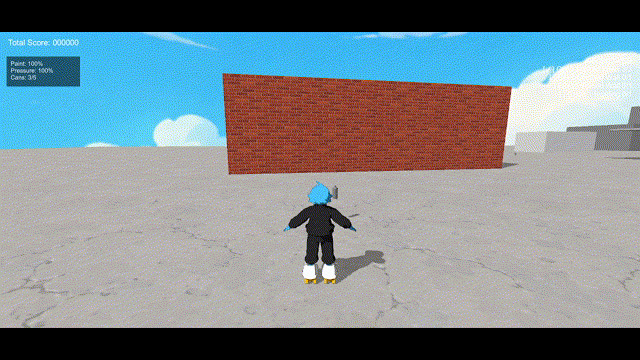 Graffiti Roller-skate Sandbox · 2026Bird Up!View game project →
Independent games, prototypes and development reels.
My games at the time · 2017
Original plunderphonics + mashup music
Under the name Brass Knuckle Butterfly, I make plunderphonics and mashups by cutting, layering and recontextualizing found music into new compositions.
Hear the complete profile on SoundCloud ↗AI collaboration · Born in 2022
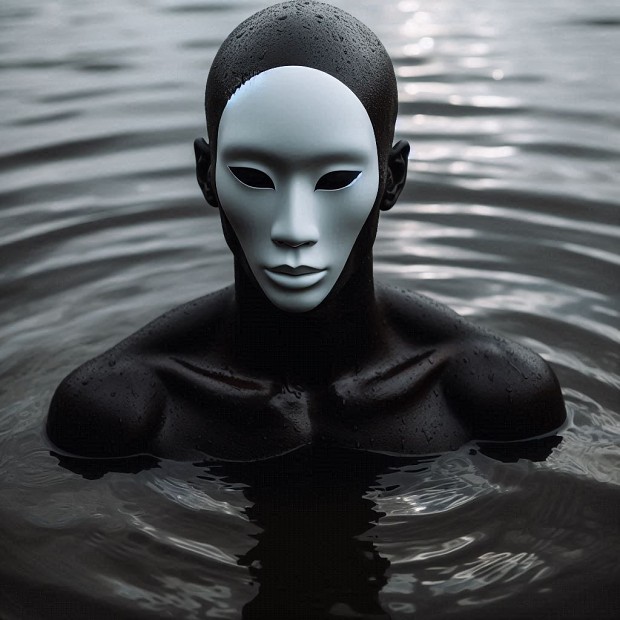
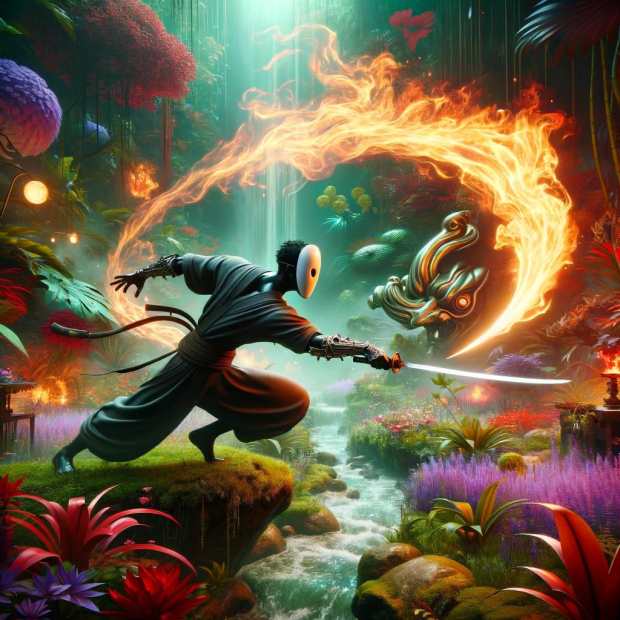
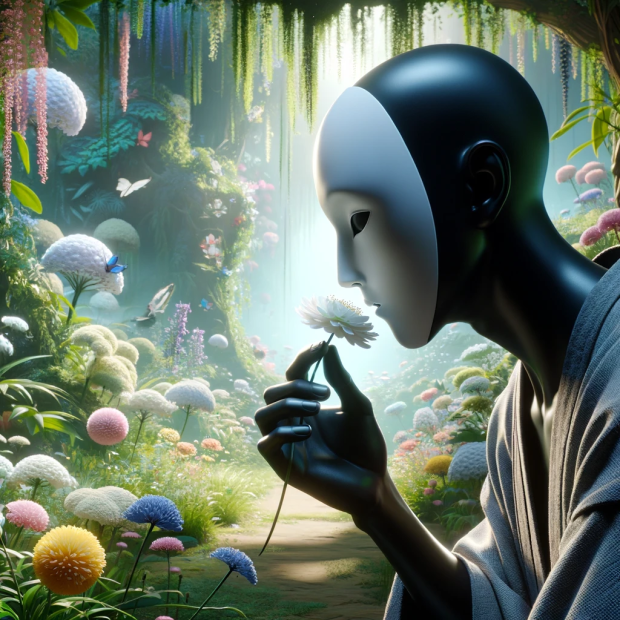
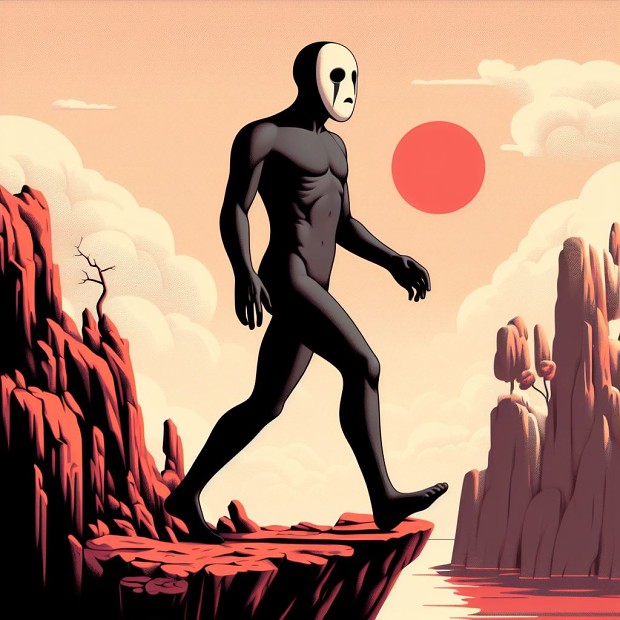
Captain Shred tests continuity and authorship across rapidly changing generative tools. I develop the characters and world, select and redirect generations, draw and edit elements, composite scenes, and finish the pages in Photoshop; the Captain’s Log preserves the decisions and development evidence behind the finished images.
Captain Shred began as a curious experiment, a creative challenge to see if artificial intelligence could conjure the image of a skateboarding astronaut. Little did I know that this playful endeavor would evolve into a passionate two-year cosmic journey, transforming the way I perceived both art and technology.
Over these two years, Captain Shred became more than just a project; it became an exploration of the synergy between human imagination and AI innovation. As the world of artificial intelligence leaped forward with each iteration, so did Captain Shred's narrative. This journey was marked by milestones in AI technology, fueling my artistic evolution along the way.
This isn't AI-created — the AI didn't make it on its own. It's hand-crafted Photoshop and editing, AI-generated images, hand-drawn illustration and compositing. At one point I had ChatGPT take the role of Captain Shred and asked him what he would do and who he would reach out to in certain situations — a 1:1 conversation with my own fictional character.
Development notes on composition, panel-making, character design and the world behind the comic.
A seven-step panel pipeline, layered composition and the rule of thirds, with versions from May 2023 and January 2024.
Read this post ↗ ProcessHow I create comic panelsFrom references and generated variations to ControlNet, transparent layers and final Photoshop assembly.
Read this post ↗ Character developmentSidekick: The Admirer — AdiDesigning Captain Shred's blue-skinned, orange-eyed sidekick through colour theory, image-to-image work and compositing.
Read this post ↗ World buildingSkateparksUsing photographs of Calgary's Millennium Park with ControlNet to preserve the park's composition while rebuilding the environment.
Read this post ↗Multimedia → Games
The Walled Garden connects religious symbolism and videogame iconography through a platformer RPG whose procedural trees grow from destructible terrain. Preserved builds, gameplay footage and IndieDB updates document how its visual language and persistent systems have evolved across generations of tools.
Graffiti Roller-skate Sandbox
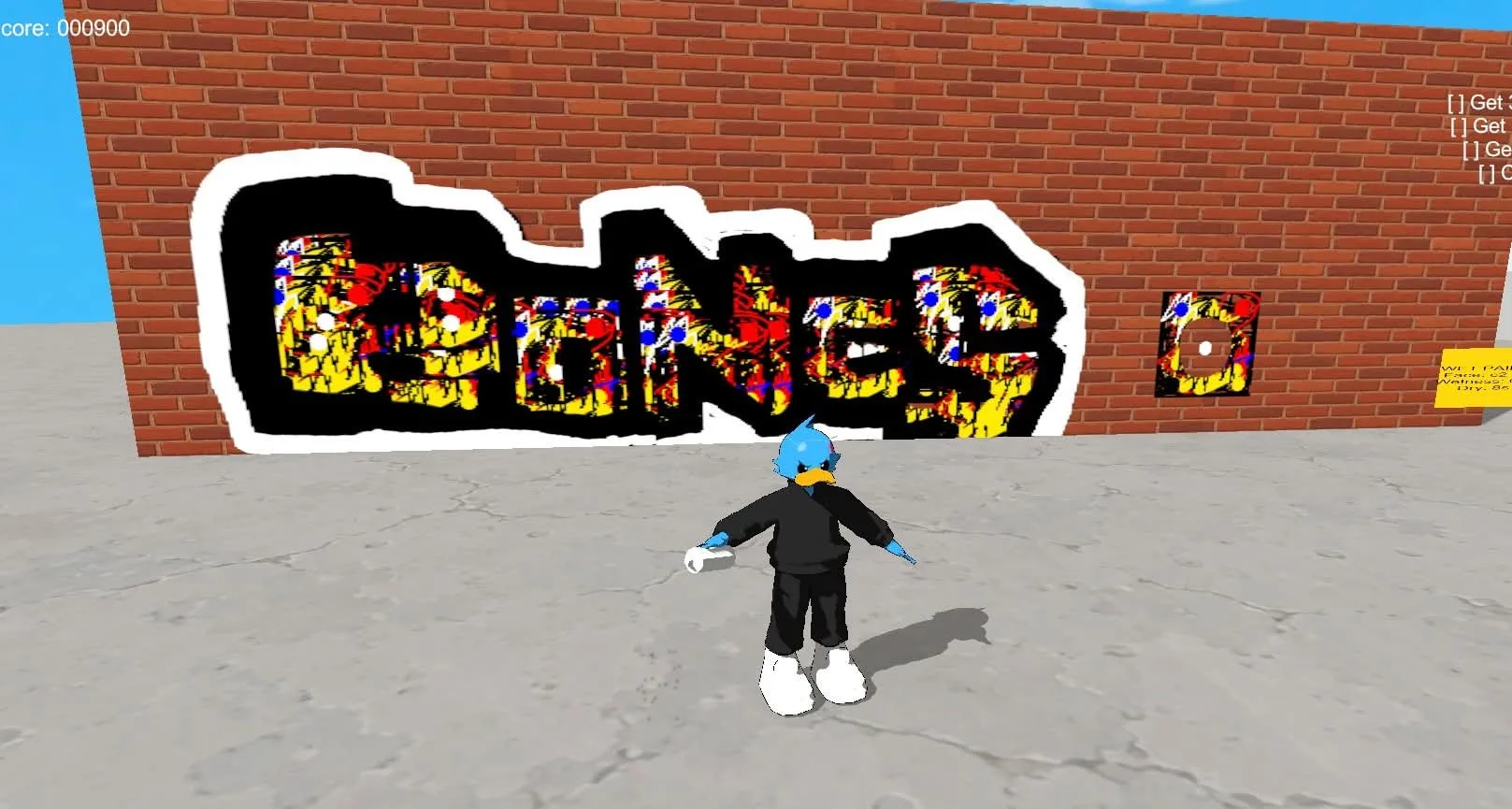
Bird Up! is a chaotic roller-skating graffiti game where a duck skater tags the city while hostile cleaner birds try to scrub the art away.
You skate, jump, grind, climb poles, and use momentum to reach walls and rooftops. Graffiti is sprayed directly onto surfaces with a wall-space cursor. Fresh paint starts as wet paint, which can still be erased, cleaned, or interacted with. If it survives long enough, it becomes dry paint, making the tag more permanent and harder for cleaners to remove.
The city pushes back through cleaner NPCs: birds that patrol tagged areas, detect wet paint, move toward it, and scrub it off with cleaning animations. That creates a territory-control loop: tag fast, protect fresh pieces, distract or outmaneuver cleaners, and let your graffiti dry before it gets wiped.
In short: Tony Hawk-style duck skating meets graffiti territory wars, with wet paint you have to defend before the cleaners erase it.
Audiovisual Organism
FERAL is developed through repeated prototype, observation and correction. I define the interaction model, visual language, physical behaviours and acceptance tests, then use working builds, recorded tests and performance checks to steer the organism toward projection-ready installation and live performance.
FERAL is my real-time interactive audiovisual installation built around a simulated ferrofluid organism. I’m making a responsive material that reacts to music, magnetic fields and human movement rather than behaving like a conventional visualizer.
Tracked dancers become moving magnetic influences. The ferrofluid can stretch, spike, bridge, merge and break apart into droplets, ligaments, rings, webs and sheets, eventually responding to shaped magnetic fields and confinement surfaces.
I’m aiming for a hybrid system: the VAT reservoir behaves like a continuous magnetic-fluid surface, while extracted material becomes explicit deformable bodies, ligaments and droplets. Magnetic response grows more physically grounded through saturation, field shape and potentially material memory. Audio excites the physical system instead of directly triggering canned animations, and the result is rendered as a high-fidelity, projection-ready live visual environment.
The long-term goal is not a scientifically perfect CFD simulator. It is a physically inspired digital organism with believable ferrofluid behaviour, a strong visual identity, live performer interaction and enough real-time performance to run as an installation or stage piece.
Images from the developing real-time organism and its ferrofluid behaviours.
AI-generated concept images exploring exaggerated future possibilities for the simulation, including an imprinted dancer’s face within the organism.
Single-file browser sports simulation
I define the sport, rules, world logic, interface priorities and acceptance criteria behind Crackerjacks. Seeded identities, persistent league state, replay reconstruction and scoring audits keep the baseball–racing hybrid deterministic enough to generate a history of its own.
Crackerjacks is an original browser sports simulation combining baseball, continuous automobile racing, mounted fielding, and a persistent procedural world into one deliberately absurd sport.
Crackerjacks is inspired by Blaseball — the internet 'splort' (their word for sport), where thousands of fans watched, bet on, and voted to reshape a haunted browser-based baseball simulation. Crackerjacks takes that spirit and runs with it: absurd simulated games, community stakes, outcomes nobody can predict.
Recognizable baseball unfolds inside an active racetrack: cars continuously circle the field, horses and mounted defenders participate in play, and batted balls can collide with vehicles to create unique scoring events. Racing contributes through Inning Sprints and a concluding Final Lap, all resolving into the same authoritative score.
The league consists of twelve rival districts based on the Chinese Zodiac, each with its own culture, economy, sporting traditions, teams, prospects, vehicles and history. District conditions—from wealth and healthcare to garages, stables and youth development—help shape the people and organizations that emerge from them.
Player identity is procedurally generated but persistent. Crackerjacks adapts Adel Faure's ASCII Facemaker into its seeded generation system: the universe seed produces stable player IDs, and each ID deterministically selects facial features, accessories, skin tones and colours from a combinatorial space of quadrillions of possible portraits. A player therefore keeps the same recognizable face throughout their career without storing a generated image.
ASCII Facemaker by Adel Faure ↗
Beneath the chaos is a deterministic simulation built around persistent identities, versioned rules, replay reconstruction and auditable results—allowing seasons to produce their own rivalries, wrecks, scandals, records and legends.
The prototype asks how ridiculous a fictional sport can become while still behaving like a coherent, persistent world.
Yes. The newer baseline material helps clarify that Crackerjacks is not merely a bizarre sport; it is meant to be a persistent fictional league-world in which teams, districts, athletes, machines, horses, money, politics, and league history all affect one another.
Crackerjacks is a fantasy sport built around recognizable baseball, but its ballparks also contain a continuous automobile racetrack. Baseball players, mounted outfielders, horses, drivers, and cars all participate in the same authoritative contest. Batted balls can enter traffic, cars can be damaged or disabled, mounted defenders can intervene, and racing contributes directly to the same final score through the Inning Sprints and Final Lap.
The league itself is a strange sporting institution rather than just a collection of matches. It has schedules, standings, playoffs, persistent players and vehicles, Popcorn betting, inspections, league rules, and a Director system intended to react to what happens over the course of league history. Characters such as Veto, unusual equipment, mechanical participants such as the sentient pitching arm, and other oddities exist alongside otherwise serious baseball statistics and competition.
The important thing about the setting is that its absurdity has consequences. A terrible district is not just flavour text, and a wealthy team is not merely wearing nicer uniforms. District resources feed into facilities, healthcare, prospects and team identity. Players have district origins, and districts maintain their own pools of unsigned prospects who can eventually enter their home team.
The league is organized around the twelve animals of the Chinese Zodiac, with each franchise representing its own inhabited district. Their long-standing identities are remarkably clear in the implementation:
These identities are not simply twelve cosmetic skins. The teams also have different tactical tendencies in areas such as bunting, swing aggression, power, safe contact, baserunning, stealing and racing behaviour.
Each Zodiac franchise belongs to a real inhabited district within the Crackerjacks world. A district is therefore both a fanbase and a simulated civic/economic entity.
The district model contains values for wealth, morale, healthcare, education, garages, stables, political influence, public safety, youth development and infrastructure. Their starting condition is strongly influenced by the team's established wealth: the Rats begin near the bottom of society while the Dragons begin enormously wealthy.
That gives the league a larger implied cycle:
DISTRICT
   ↓
wealth • healthcare • garages • stables • youth development
   ↓
TEAM
   ↓
players • pitchers • drivers • horses • cars • prospects
   ↓
CRACKERJACKS SEASON
   ↓
wins • losses • wrecks • scandals • legends • league events
   ↓
DISTRICT / LEAGUE HISTORY
Later player-population work also makes district origin persistent. Each district owns a local pool of unsigned prospects, and a team suffering a roster shortage searches its own district before resorting to an emergency Audience Member. A recruited prospect remains the same persistent person rather than becoming a disposable generated replacement.
The broader Crackerjacks fiction treats the league as an institution capable of changing over time. The original world design includes Monday Inspection, a League Assembly, an autonomous Director, investigations, temporary rules, district grants and other institutional responses to what occurs during seasons. The Director concept was specifically intended to remember league history and allow districts to rise or decline rather than permanently fixing the Dragons on top and the Rats on the bottom.
So the shortest useful description is:
Crackerjacks is a persistent fantasy sports world built around twelve rival Zodiac districts whose baseball teams compete inside a continuous automobile race. Players, horses, cars and districts all have histories and identities; a district's wealth and institutions help shape its team, while seasons generate rivalries, wrecks, scandals, legends and changes to the league itself.
And, regrettably for conventional baseball, the local economy may depend on whether someone can catch a baseball from horseback while eight cars are circulating the outfield.
VR App
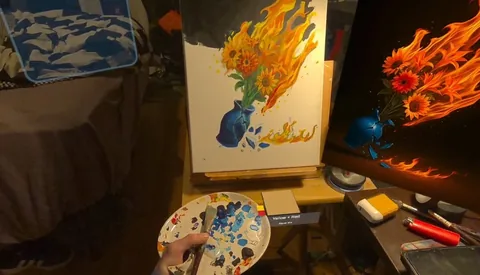
PicassOS brings the controls and information I need while painting into the same first-person VR space: resizable canvases, colour sampling, streaming controls and live chat that stay available without pulling me away from the work.
PicassOS is my conceptual VR streaming HUD for PreDopeTV on Twitch. In first-person view, I can resize interactive canvases and sample a colour swatch while mixing paint, with the selected swatch staying visible for comparison. A responsive Twitch and Facebook chat feed lets me keep painting without looking away at another screen.
Prototypes either made by myself or with another person that never made it passed concept.
Skip to 0:48 for water
Download Soluble 2.0 (.exe) ↓
Yay for default game maker particle effects.
Seems that this is a rather rare genre, Side-scrolling castle/tower defense hybrid.
Wokring on establishing some kind of atmosphere.
New work in progress cinematic intro, and some new gameplay features such as stealth submerging as well as full on dive submerge.
Game Maker; tractor beam attempt.
Solo-Play as in, I played by myself it is much funner with two people.
No score system in, it's all fair play right now.
Engine: Thesnidr's Bouncy Balls V0.8
Music: alex mauer - Gentle With The Hand
Updates on this video
• Reverse engine
• Shooting angles alter based on angle of ship
• Dubloon Magnet
• Purchase Crew members on Land
• Crew members heal your ship over time
• Crew members auto-fire at the nearest enemy ship
Goblins are more aggressive, save survivors, new particle effects.
New dust clouds, new wall jumping and other things.
Just trying to spiff up the demo with some tiles.
The camera zooms in at some point..
Wasn't intended though I'd like to know how to control that with Camtasia.
Objects are spanwing based on the beat frequency of the music better then before.
Can have hundreds of zombies with no lag.
I've added two weapons so far Baseball bat and Pistol
Map, less then simple "shmup", and a simple platformer I got the animations to sync myself :D I feel so accomplished with this.
Some demo gameplay for my game Grasshopper, I've added some semi-retarded AI. :D
Dev video - doors
Added a tile swapping object, though to be honest by adding this it renders the player nearly useless.
Gravity prototype, simple gameplay.
Left + Right (Move) - Down (Dive)
Screwing around with the basic version of Unity.
There doesn't seem to be much for shadows or ray-casting though... Or at least I have not figured it out.
Decided to make the little hidden objects similar to Boo from Super Mario.
Four-player Pong
12 Ball - a game similar to 4 player ping pong but plays on a table shaped like an + with a player standing at each point and wielding paddles the middle serves the ball then periodically ads more the longer there is no score until there are 12 in play.
I made a name generator, and now the guests can also make rude comments.
Frogger/sheep herding type game. The grey cement is causing interference with your ships tracking system you must get the human onto the green grass so the ship can see them.
Hire me for a project or commission a custom piece. Start with the work below, then get in touch.
Open to commissions.
I take on mural commissions and client projects.
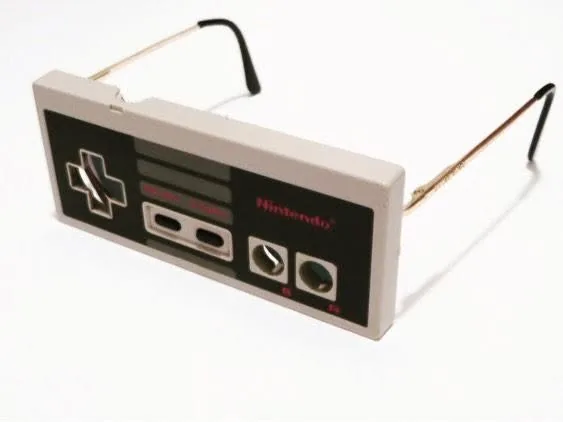
I offer custom controller sunglasses and one-of-a-kind bleach-painted clothing.
derekboeceo@gmail.com
Or message me through Instagram or Facebook.
I built these from gutted controller shells with glasses arms attached. The buttons and joysticks stay tactile: they click and move like fidget toys.

My name is Derek Boe,
I am a professional multi-disciplinary Métis artist hailing from the vibrant landscapes of Alberta, Canada. My journey as an artist has always been guided by a fascination for Media Art & Digital Technologies and Traditional Fine Art.
A ready-to-use package for editorial coverage, project listings and event materials. The bundle includes the current biography, selected high-resolution portfolio images and one-page summaries of four flagship projects.
Download press kit (.zip) ↓Use the previous and next buttons or the left and right arrow keys to move through this series. Press Escape to close.